Header Only

Category: Digital Marketing

A comprehensive approach to building powerful online growth systems. This category covers cutting-edge strategies, data-driven frameworks, and innovative technologies designed to attract high-value audiences, increase visibility, and drive scalable revenue across digital channels.

  • Stop Hiding Your Genius: The High-Stakes Game of Visual Transparency in Tech

    Stop Hiding Your Genius: The High-Stakes Game of Visual Transparency in Tech

    I have spent a significant portion of my career sitting across from engineers and founders who are brilliant at building things but struggle to tell the world why those things actually matter.

    We are living in the most technologically advanced era in human history, yet most companies are still incredibly bad at explaining what they actually do. It is a strange paradox.

    You spend years perfecting a proprietary algorithm or a new way to store energy, and then you try to sell it using a pixelated PowerPoint slide and a wall of text that would make a legal scholar weep.

    If you are building something complex—whether it is a modular industrial plant for a multinational corporation or a revolutionary smart-home hub for a tech-savvy family—you are essentially dealing with a Black Box problem.

    To the outside world, your genius looks like a silent, uninspiring metal cube. And let us be honest: nobody falls in love with a metal cube.

    In my experience, the difference between the companies that get funded and the ones that fade into obscurity isn’t always the engineering.

    It is the visual storytelling. If you cannot make your tech look as premium as the price tag you are asking for, you are leaving money on the table. You need to pull back the curtain. You need visual transparency.

    The Death of the B2B versus B2C Divide
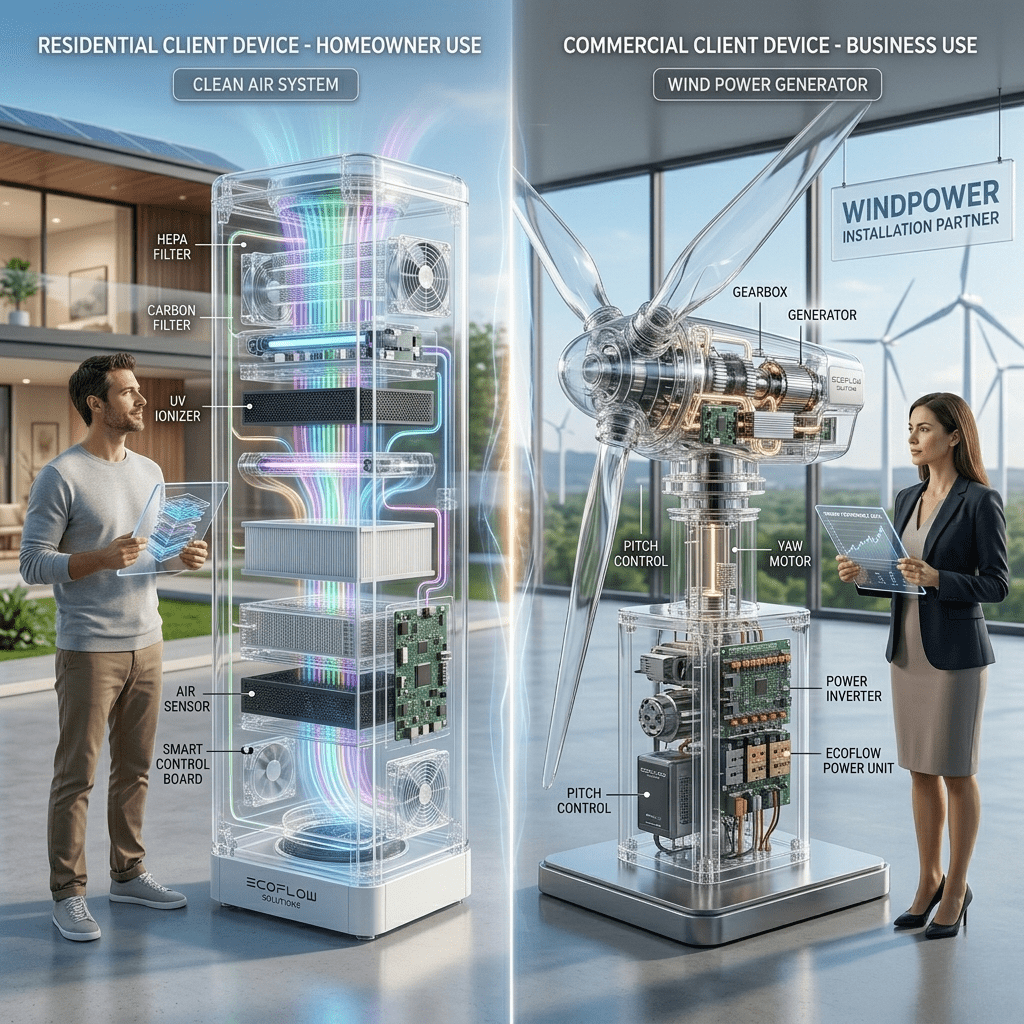
    For years, the marketing world has been obsessed with the wall between B2B and B2C strategies. One was supposed to be purely rational and technical, driven by spreadsheets and whitepapers, while the other was emotional and lifestyle-driven. I am here to tell you that this wall has completely crumbled.

    The person deciding whether to spend ten million dollars on your carbon-capture technology is the same person who goes home and buys high-end consumer electronics because they like the way the packaging feels.

    We are all human. We all have the same cognitive biases. An investor at a venture capital firm is still a person who spends their time consuming high-quality visual content.

    They have been trained by the modern digital world to expect clarity and beauty. When you use high-end, transparent visuals, you are speaking a universal language that transcends your specific industry. You are telling the professional buyer that your internal tolerances are so precise that you aren’t afraid to show them.

    You are telling the individual consumer that your product isn’t just a utility, but a piece of premium technology that belongs in their home. In both cases, you are using human-centric design to bridge the gap between cold engineering and emotional buy-in.

    The Philosophy of the X-Ray Effect

    Think about the fascination people have with mechanical watches or high-performance engines. Why do we love seeing those gears turn? It is because the visual reveals the soul of the machine.

    In sectors like clean tech or deep tech, we are often dealing with things that are literally invisible. We talk about energy flows, chemical reactions, or microscopic filtration.

    If you just tell me your technology works better, I have to take your word for it. In a world full of empty promises and greenwashing, asking someone to just take your word for it is a massive hurdle.

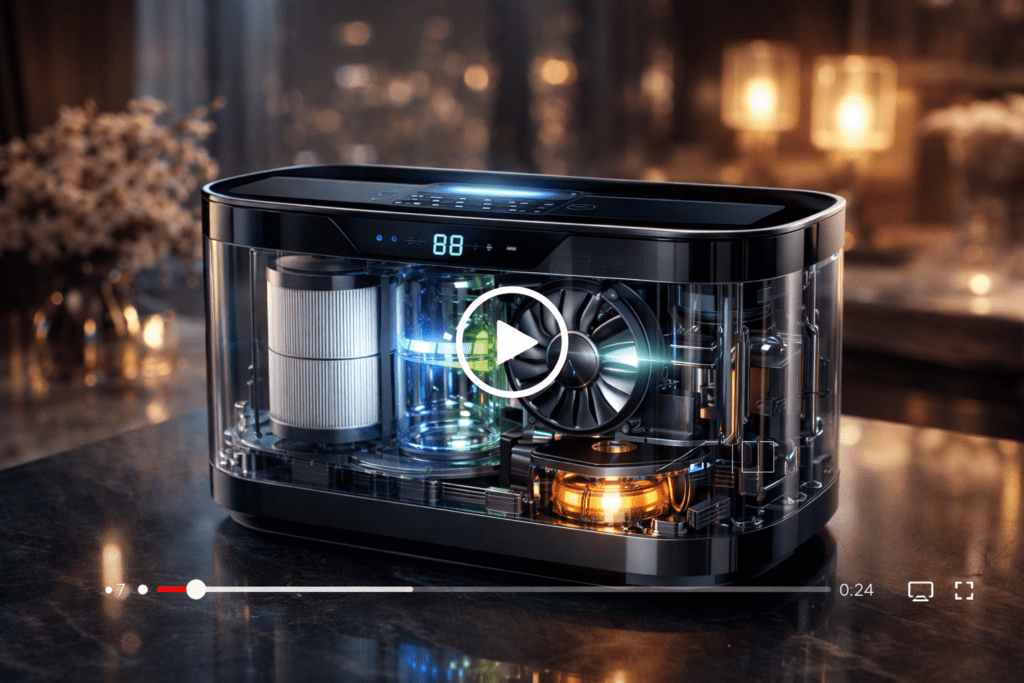
    This is where the transparent render becomes your most effective strategy. I am not talking about clunky animations. I am talking about cinematic-quality visuals where every bolt, every circuit board, and every fluid path is rendered with hyper-realistic accuracy.

    When you show the world exactly how a proprietary process works in a three-dimensional space, you aren’t just giving a presentation—you are providing visual proof. You are removing the risk from the equation because the viewer can see the logic with their own eyes.

    For a consumer, that same visual says that this isn’t just a plastic box; it is a masterpiece of engineering. It builds a level of trust that words simply cannot achieve.

    Building a Visual Vocabulary for Premium Brands
    To be seen as a premium brand, you cannot rely on a single type of image. You need a cohesive toolkit that addresses different parts of the human brain.

    The most successful technology companies I have worked with use a layered approach. They don’t just show the product; they show the craft, the function, and the impact simultaneously.

    It starts with what I call tactile reality. This involves high-end photography that focuses on the materials. If your product is made of brushed aluminum or a specialized recycled polymer, the viewer needs to see the grain and the way light interacts with the surface.

    This moves the technology out of the world of abstract ideas and into the world of physical objects. It signals quality. It makes the viewer want to reach out and touch it.

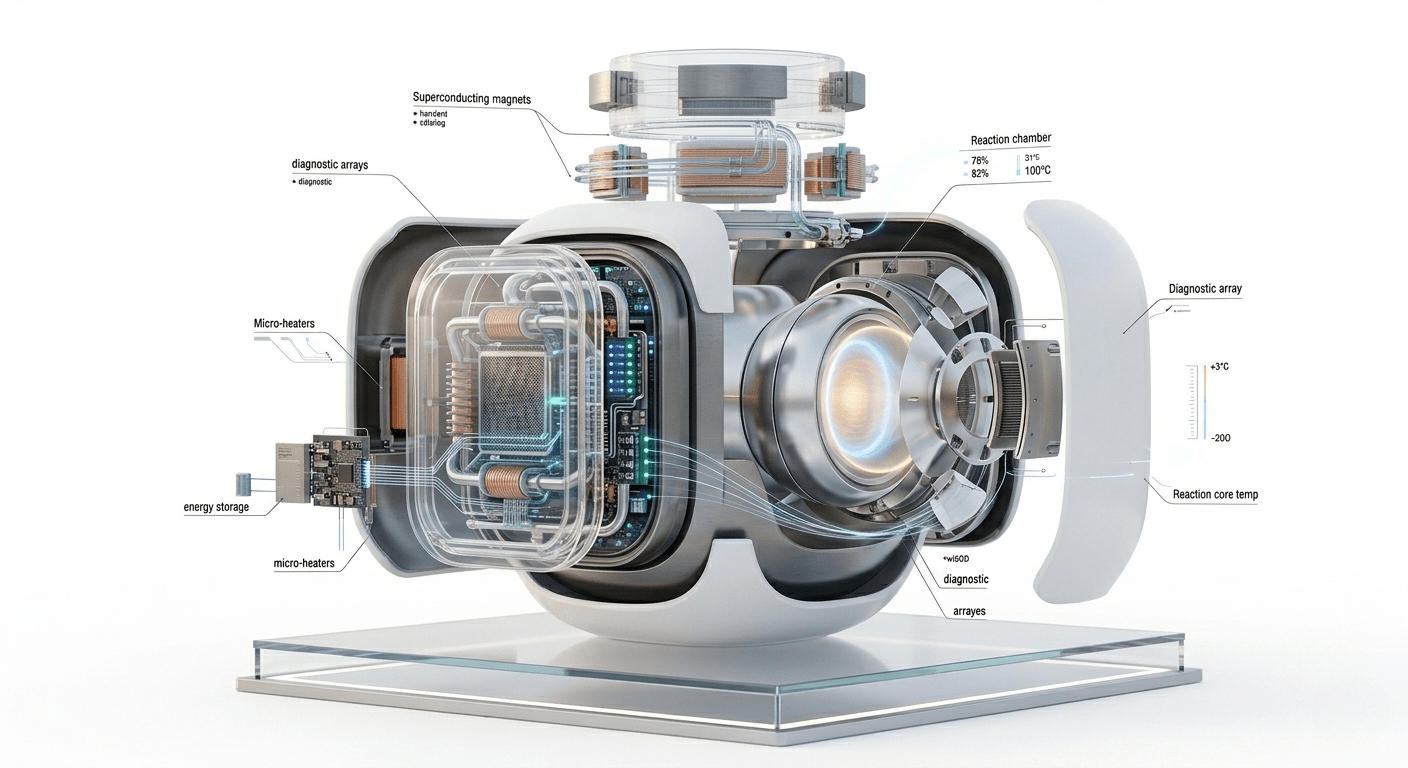
    Then there is the functional map, often represented through exploded views. By pulling the product apart in a digital space, you allow the viewer to understand the complexity without feeling overwhelmed by it.

    It is a way of saying that you have thought of everything. For a professional buyer, this is an essential part of the conversation regarding maintenance and installation.

    You are showing them that the technology is intelligently designed and serviceable.

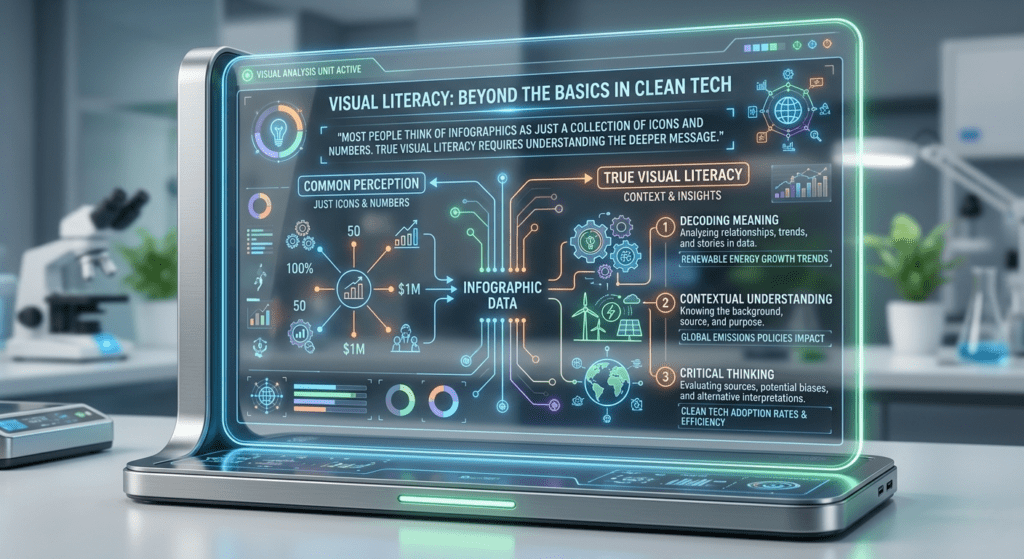
    We also have to talk about visual literacy, which is where infographics come in. Most people think of infographics as just a collection of icons and numbers.

    A human-centered infographic is different. It tells a story of transformation. Instead of a static chart, you use light and color to show a narrative. You show the journey of how your technology changes an environment or solves a specific problem. It is about visualizing the result, not just the data point.

    In the digital age, we also have to consider the digital twin or interactive interface. People want to interact with technology before they commit to it.

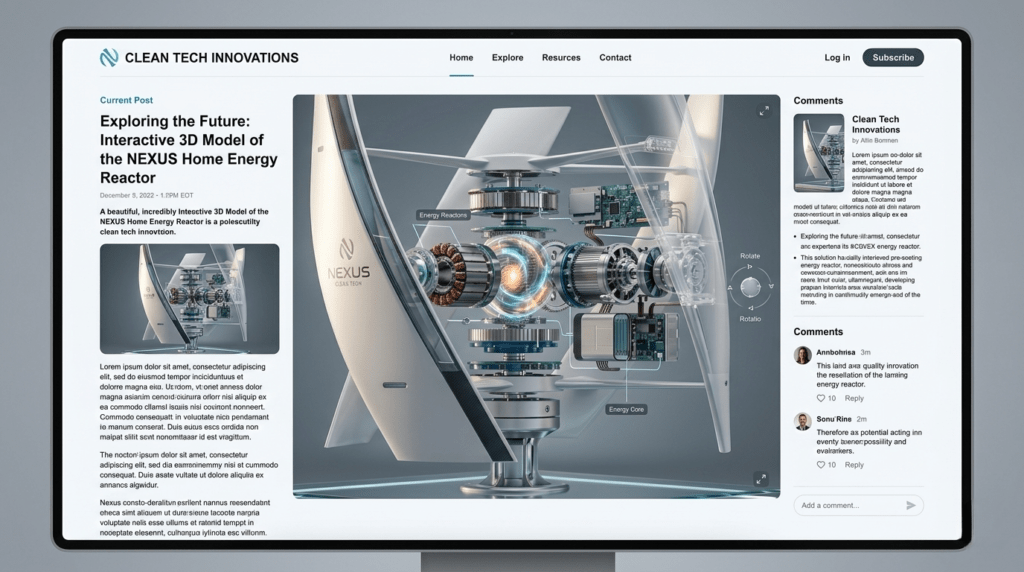
    When a visitor can rotate a model on your website or click on specific components to see how they function, they stop being a passive observer. They start to develop a sense of ownership.

    This kind of engagement is a massive driver for both brand affinity and search engine performance.

    Finally, there is the cinematic narrative. Sometimes you need to move beyond the technical and show the world you are creating.

    A high-end video that blends real-world footage with floating digital overlays can win hearts and minds in a way that no document ever could. It is about showing the clean air, the efficient factory, or the resilient city that your innovation makes possible.

    The Business Case for High-End Aesthetics

    I often hear financial officers argue that premium visuals are a luxury or a decorative expense. I strongly disagree. In the world of high-stakes technology, premium visuals are a capital investment with a very clear return.

    Consider the sales cycle. In complex industries, sales can take months or even years. Much of that time is spent answering the same technical questions over and over again.

    A single, well-executed animated visual can replace hours of meetings. It pre-educates the lead so that when they finally speak to a person, they are ready to discuss the partnership, not the basic mechanics. It reduces the cognitive load on the buyer and makes it easier for them to say yes.

    There is also the concept of price anchoring. If your marketing looks like it was done on a budget, you will always struggle to command a premium price.

    You are essentially telling the market that you are a commodity. But when your visual identity reflects the same level of sophistication as your engineering, you create an aura of authority. You are no longer competing on price; you are competing on value and leadership.

    Beyond that, we have to look at the digital ecosystem.

    People share things that are beautiful and easy to understand. Nobody shares a dense technical whitepaper on social media, but they will share a stunning visual that makes them feel intelligent for understanding a complex topic.

    This creates organic reach and builds your reputation as a thought leader in your space.

    The Strategy of Intelligent Execution

    If you are ready to stop being a black box, you have to change how you approach asset creation. You cannot just hire a general designer. You need people who understand the intersection of engineering and art.

    You need technical artists who know how to read a CAD file but also know how to light a scene like a cinematographer.

    One of the most effective strategies I recommend is the create once, publish everywhere model.

    If you invest in a hyper-detailed, high-fidelity master model of your technology, you aren’t just getting one image. You are creating a library of assets. That one model can be the source for your hero video, your technical brochures, your social media content, and even augmented reality tools for your sales team.

    When you spread the investment across all those touchpoints, the cost per asset drops dramatically while the brand impact stays consistently high.

    The Human Bottom Line

    At the end of the day, we are not just selling machines or software or systems. We are selling a vision of the future. Whether you are trying to decarbonize the planet or just making a specific industrial process ten percent more efficient, you are asking people to join you on a journey.

    Complex technology is inherently difficult to love. It can feel cold, intimidating, and distant. But transparency is easy to trust.

    By opening up your technology and showing the world the beauty of what you have built, you are doing more than just marketing. You are humanizing the future.

    People are far more likely to invest in, buy, and support a future that they can actually see and understand.

    It is time to stop hiding the genius of your engineering behind a curtain of text and start showing the world what you are actually made of.
  • Why 3D Twins are the Only Way to Survive Clean Tech

    Why 3D Twins are the Only Way to Survive Clean Tech

    Let’s be real for a moment. If you are trying to sell a complex, high-stakes piece of clean technology today using only static photos and a couple of standard drone videos, you are basically fighting a modern war with a wooden shield.

    We live in an era where the average person has the attention span of a caffeinated squirrel and the skepticism of a seasoned investigator.

    Whether you are selling a modular solar system to a homeowner, a hydrogen electrolyzer to a utility company, or a massive industrial battery array to a B2B procurement committee, a nice JPEG just isn’t going to cut it anymore.

    As a content strategist, I have seen thousands of companies pour millions into their clean energy products, only to fail at the finish line because they couldn’t explain the value of what they built.

    They have the engineering right, but they have the communication all wrong.

    Clean tech is inherently difficult to market because the most important parts are often invisible. You can’t see electrons moving, you can’t see thermal efficiency, and you can’t see the internal software that makes a smart grid smart.

    This is where 3D moves from being an engineering luxury to your most powerful marketing weapon. We are talking about a total shift in how we engage the human brain.

    When you let someone interact with a product, you aren’t just showing them a feature; you are giving them a sense of ownership before they even pull out a credit card.

    The Power of Interactive 3D in Articles and Technical Blogs

    Think about the last time you read a technical blog post about a new carbon capture system or a solid-state battery. It was probably a wall of text with maybe one or two flat diagrams that you had to squint at to understand.

    Most people bounce off those pages in seconds because the cognitive load is just too high. But imagine instead an article where the 3D model of the product is embedded right into the text. As the reader scrolls, the model moves. They can grab it with their mouse or thumb, rotate it three hundred and sixty degrees, and zoom into the exact cooling fin or sensor you are talking about.

    This isn’t just a gimmick. From a marketing perspective, this is a massive boost for your dwell time.

    When a user spends three minutes playing with an interactive model on your site instead of thirty seconds skimming a paragraph, search engines notice.

    Your SEO rankings climb because your page is objectively more engaging than your competitor’s static site. More importantly, the reader actually understands your product.

    If you are explaining a proprietary cooling system in a residential battery, letting the user peel back the outer casing virtually to see the liquid channels is worth more than ten thousand words of copy.

    You are moving them from confusion to clarity, and in clean tech, clarity is the shortest path to a sale. You are essentially turning your blog into a virtual lab where the customer is the lead researcher.

    Breaking the Physics of Video Production with 3D Storytelling

    Traditional video production for clean tech is a logistical and financial nightmare. You have to ship heavy equipment like EV chargers or heat pumps to a studio, hire a camera crew, hope the lighting is perfect, and then spend weeks in post-production.

    If you decide you want to change the color of the product or show a different internal component two months later, you have to start the whole expensive process over again. And let’s not even talk about the carbon footprint of flying crews across the country to film a wind farm.

    3D video changes the entire math of content marketing. Once you have a high-fidelity 3D asset, you own a digital movie set that never closes.

    You can fly a virtual camera through the center of a wind turbine to show the gearbox in action. You can show the product working in a blizzard, then instantly switch to a desert environment to prove it handles extreme heat.

    You can create exploded views where the product disassembles itself in mid-air to show the premium, sustainably sourced materials inside.

    This level of storytelling is impossible with a physical camera. For marketing, this means you can produce ten times the content for a fraction of the long-term cost.

    You can have a library of videos for every social platform, each tailored to a specific audience, all born from the same digital asset. You are no longer limited by what a camera can see; you are only limited by what your product can do.

    Augmented Reality: Bringing the Clean Energy Showroom to the Living Room

    For homeowners and residential customers, the biggest barrier to a clean tech purchase is usually a simple question of spatial anxiety:

    Will this fit in my garage?

    Will this look ugly on my roof? This is where Augmented Reality, or AR, becomes your best salesperson.

    Imagine a homeowner considering a new home energy management system. Instead of looking at dimensions on a PDF and trying to find a tape measure, they simply open your website on their phone. With one click, their camera turns on, and they see your product sitting right there on their wall in real-time.

    They can walk around it. They can see if it clears the ceiling height. They can see if the design aesthetic matches their home.

    This removes the friction of uncertainty. It’s the digital version of a test drive. In the commercial world, this is just as powerful.

    A facility manager can use AR to see how a new series of EV charging stations will fit onto their existing parking lot. By letting the customer interact with the product in their own physical environment, you aren’t just selling a piece of hardware; you are helping them visualize a future where they already own it.

    You have moved the product from your factory to their doorstep in a matter of seconds.

    High Conversion Ads and the Thumb-Stop Effect in Social Media

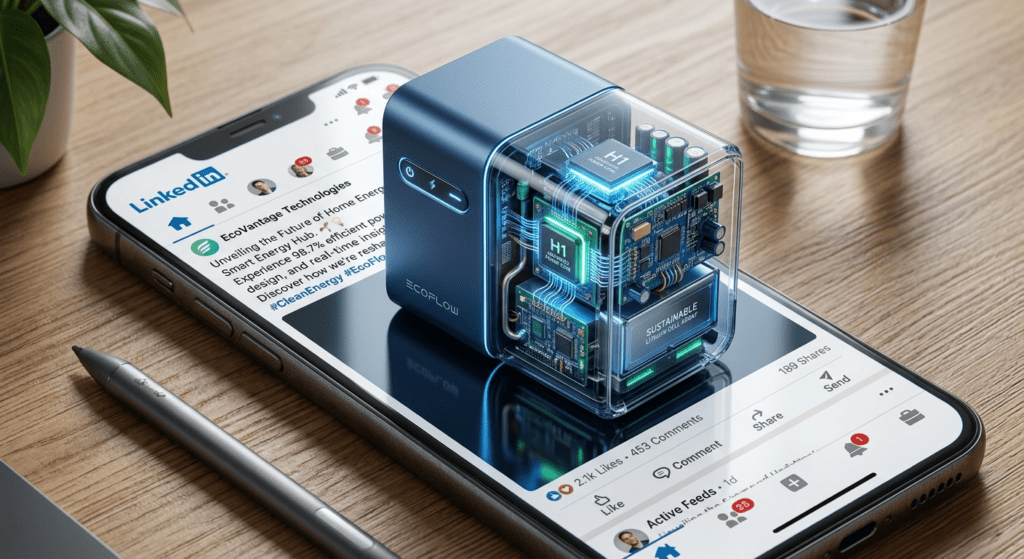
    We are all drowning in a sea of boring, repetitive ads. If you are running a campaign on LinkedIn for a B2B audience or Instagram for homeowners, you have about half a second to stop someone from scrolling past you.

    A static photo of a gray metal box—which is what many clean tech products look like—is almost invisible in a modern feed. But a 3D animation that pops off the screen, showing a product expanding, rotating, or operating in an impossible environment, looks like an experience.

    3D assets allow you to create ads that are visually dense and incredibly premium. You can highlight the texture of the recycled plastics, the glow of the status lights, and the precision of the assembly.

    This level of detail builds instant brand authority. It tells the viewer that if you cared this much about the presentation, the engineering must be equally flawless.

    We see significantly higher click-through rates on 3D animated ads because they satisfy the human curiosity to see how things work.

    You aren’t just shouting at them to buy; you are inviting them to look closer. In the crowded clean energy space, looking more professional and more technologically advanced than the guy next to you is half the battle.

    Winning the High-Stakes Pitch with B2B Clients and Investors

    When you are sitting in a boardroom with a group of venture capitalists or a corporate procurement team, you are often selling something that is too large to bring into the room or a project that is still six months from completion.

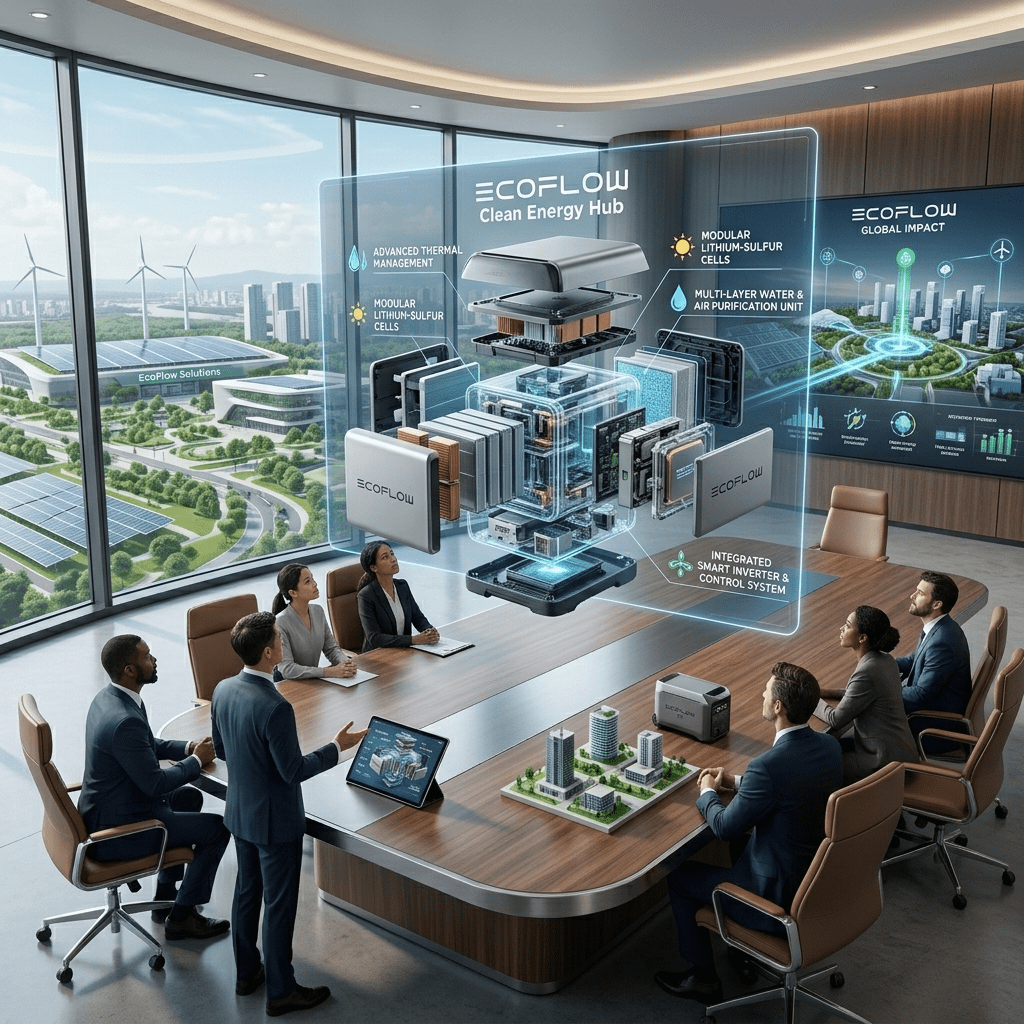
    If you show up with a PowerPoint, you are just another person with a dream. If you show up with a tablet that lets them explore a 3D twin of the product, you are a person with a plan.

    For clean tech B2B marketing, 3D is the ultimate tool for de-risking the conversation. You can show the technical buyers the internal specifications and the exploded views that prove your design is superior to the legacy technology they are currently using.

    At the same time, you can show the financial stakeholders the sleek, finished exterior and the ease of use. You can toggle between different configurations on the fly.

    If an investor asks if the system is modular, you don’t say yes and hope they believe you. You click a button in the 3D interface and show them exactly how those modules snap into place.

    It turns a one-sided pitch into a collaborative exploration. It makes the investment feel tangible long before the physical assets are even shipped.

    The Economics of the Unified Asset Strategy

    One of the biggest misconceptions in the clean tech industry is that high-end 3D marketing is too expensive for anyone but the massive global players. The reality is that it is actually a massive cost-saving measure if you approach it strategically.

    I call this the Unified Asset Strategy. In the old way of doing things, your engineering team had their files, your marketing team hired a photographer, your social media team hired a videographer, and your sales team had nothing but a printed brochure.

    Everyone was spending money to create the same thing from scratch, often with inconsistent results.

    When you invest in a high-quality 3D marketing model, that one asset fuels every single department for the entire lifecycle of the product.

    That single model becomes the source for your website interactives, your YouTube explainers, your AR experiences, your trade show booth displays, and your investor decks.

    You can update the model as the product evolves without needing a new photoshoot. You can change the lighting for a winter campaign and a summer campaign in minutes.

    You are building a digital library of content that grows in value over time. For a growing clean tech startup, this efficiency is the difference between scaling quickly and getting bogged down in marketing overhead.

    Conclusion: Don’t Just Show, Let Them Experience the Future

    The clean tech market is getting more crowded every day, and the companies that win are going to be the ones that can communicate complexity with the most simplicity.

    You cannot expect a modern buyer—whether they are a homeowner or a CEO—to do the heavy lifting of imagining how your product works or how it will look in their life. You have to do that work for them.

    3D marketing is about more than just looking cool or having the latest tech. It is about empathy for the customer. It is about understanding that they are busy, they are skeptical, and they want to be sure before they commit to a major transition like switching to clean energy.

    By giving them the tools to explore, interact, and visualize, you are building a bridge of trust that static marketing simply cannot replicate.

    Whether it is through an interactive blog post that keeps them on the page, an AR tool that puts a solar battery in their garage, or a cinematic video that explains your engineering genius, 3D is the language of modern commerce.

    It is time to stop treating your marketing like a flat piece of paper and start treating it like the multi-dimensional experience it should be.

    The future of clean tech isn’t just about what you build; it’s about how you let the world see it. Stop showing your product and start letting your customers experience it.

    Your engagement numbers, your sales team, and your bottom line will show you exactly why this was the best move you ever made for your brand.

  • The 2026 Ghost Town: Why SEO Won’t Stop AI From Eating Your Cleantech Leads

    The 2026 Ghost Town: Why SEO Won’t Stop AI From Eating Your Cleantech Leads

    Let’s be honest for a second. We’ve all spent the last decade chasing the Google dragon. We’ve obsessed over backlinks, we’ve fought over keyword rankings like they were holy relics, and we’ve convinced ourselves that as long as we were on the first page, the business was safe.

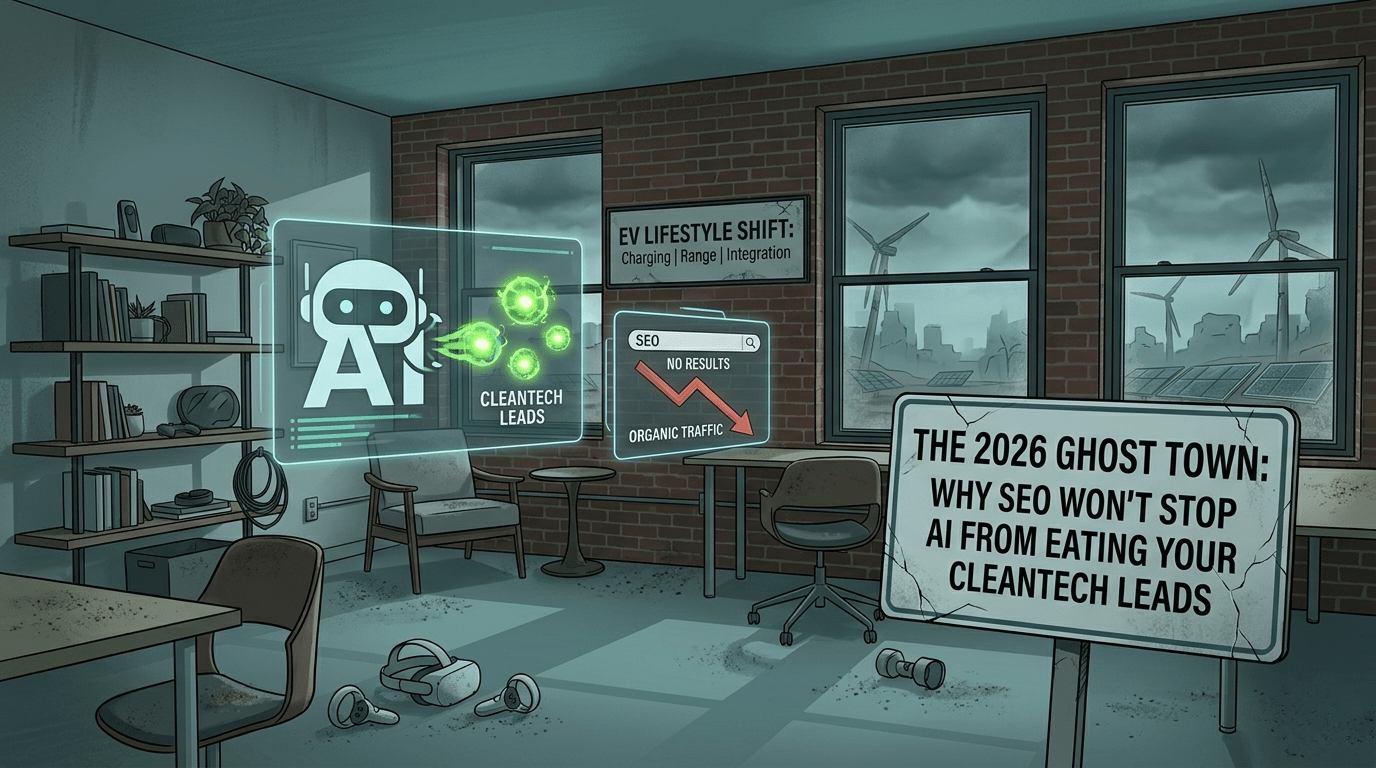
    But here is the cold, hard truth that most agencies are too scared to tell you. in 2026, the first page of a search result is not going to look anything like it used to. For the cleantech sector, where the products are complex and the sales cycles are long, the traditional blue link search is becoming a ghost town.

    Think about how you actually find information lately. If you are trying to understand the nuances of long-duration energy storage or the carbon intensity of a specific microgrid setup, are you really clicking through ten different websites and reading three-thousand-word fluff pieces?

    Or are you asking an AI to synthesize the data and give you a straight answer? The answer engine is not coming. It is already here. And if your marketing strategy is still built on the old-school SEO playbook, you are essentially building a high-speed highway that leads to a dead end.

    I hear people saying SEO is dead every six months. It is not dead. But its job description has changed. In 2026, your traditional SEO is the plumbing. It is the infrastructure. It is the reason the librarian, those AI models like ChatGPT, Gemini, or whatever comes next, can actually find your books in the first place.

    This is what we call Retrieval-Augmented Generation. When an AI tries to answer a buyer’s question, it does not just pull things out of thin air.

    It searches an index, grabs bits of info from trusted sources, and stitches them together. If your site’s technical SEO is a mess, if your pages are slow, your metadata is non-existent, or your site structure is a maze, the AI is just going to skip you. It is too much work.

    But even if your plumbing is perfect, if your content is just a recycled version of what everyone else is saying, the AI has no reason to cite you. It already has that information.

    This is where most cleantech firms are failing. They are publishing commodity content.

    If you want to survive 2026, you have to move into Generative Engine Optimization. This is not about ranking for solar panels. It is about being the definitive source that the AI feels obligated to mention.

    To do that, you need what I call Information Gain.

    If I am a buyer asking an AI to compare hydrogen electrolyzer efficiencies, and your website is the only one providing raw, proprietary data from a real-world pilot project in the Mojave, the AI has to cite you.

    You have given it something new. Something it could not get from a Wikipedia scrape or a generic blog post. This is the shift from being a writer to being a source.

    We are moving toward a world of Entity Mapping. AI engines are building a web of trust. They want to know who is the actual authority on solid-state batteries. They look for your brand name mentioned in research papers, in high-tier trade journals, and in structured data tables. They are looking for a footprint, not just a keyword.

    I specialize in the intersection of tech and human behavior, and I have noticed that cleantech is uniquely vulnerable to this AI shift.

    Your stuff is hard to understand. B2B buyers in this space are overwhelmed. They are dealing with massive capital expenditures, shifting regulations, and technical jargon that would make a physicist’s head spin. They want an AI to simplify it for them.

    The biggest mistake I see is the PDF graveyard. Cleantech companies love burying their most brilliant insights in fifty-page PDFs. They are beautiful, sure. But to an AI crawler, a PDF is a black box. It is hard to parse, hard to index, and hard to cite.

    In 2026, if your data is not in high-performance, structured HTML with clean tables and clear schema markup, you are effectively invisible. You are handing your market share to the competitor who was smart enough to turn their whitepaper into a power page.

    You cannot just pick one strategy. You need a hybrid approach that recognizes how humans actually make decisions.

    The top of the funnel is for the AI. This is where the discovery happens. This is where you optimize for the answer engine. You want your brand to be the citation. You want the AI to say that according to research by your company, the ROI on VPP integration has increased by a specific percentage.

    That is your brand awareness play. The bottom of the funnel is for the humans. Once the AI has pointed them in your direction, the buyer is going to land on your site. And that is where traditional SEO and high-level user experience take over.

    They are not there for a summary anymore. They are there to verify you are a real company with real experts and a real product. If you miss the generative side, you never get the discovery. If you miss the traditional side, you never get the conversion. It is a zero-click world at the top, but it is still a high-touch world at the bottom.

    If you were sitting in my office today, here is exactly what I would tell you to do.

    First, audit your entity. Go ask the major AI models who the leaders are in your specific niche. If your name does not come up, or if the description is wrong, you have a PR and content problem.

    You have not left enough digital breadcrumbs. Second, stop writing for bots and start interviewing your experts. I mean it. Get your lead engineer on a call for thirty minutes. Extract the stuff they know that is not on the internet. That hidden knowledge is your information gain. That is what the AI wants to cite.

    Next, kill the PDFs. Seriously. Take your best technical assets and turn them into structured web pages. Use clear formatting and tables. Make it so easy for an AI to scrape your data that it would be stupid for it not to use you as a source.

    Then, watch the cost per answer. We used to track cost per click. Now, I want you to look at how much effort it takes to become the definitive answer for a high-value query. If it is too easy to replicate, it is not a moat. Build content that is hard to copy.

    Finally, embrace the zero-click trend.

    Stop panicking because your organic traffic is dipping. Look at your brand mentions. If you are being cited in AI answers, you are winning the battle for mindshare. In 2026, influence is the new traffic.

    The next two years are going to be a great filter for cleantech marketing. The companies that keep churning out generic, SEO-optimized garbage are going to find themselves shouting into a void.

    The companies that win will be the ones that act like a definitive source of truth. They will be the ones that understand that AI is not stealing their traffic. It is just changing the way humans find answers. The plumbing still matters, but the true value is in the expertise. Do not just try to rank. Try to be the only answer that matters.

    This evolution requires a fundamental rethink of what a marketing team even looks like.

    You do not just need writers; you need data architects. You need people who understand how to structure a dataset so that it is readable by a machine but still compelling to a human executive.

    We are talking about the end of the keyword era and the beginning of the authority era.

    In the past, you could trick a search engine with enough backlinks and the right density of phrases. You cannot trick a model that has read the entire internet. It knows when you are faking it. It knows when your content is thin.

    The human element here is irony. To satisfy the most advanced machines ever built, we have to become more human. We have to lean into original research, first-person experience, and bold opinions.

    We have to stop being afraid of the “I” in our writing. AI can summarize a consensus, but it cannot have a perspective. It cannot tell you what it felt like to stand on a wind farm in the North Sea and see a specific technical failure happen in real-time. That perspective is your shield.

    As we approach 2027, the noise is only going to get louder. There will be millions of AI-generated blogs flooding the web every single day. If you are adding to that pile, you are already lost.

    Your job is to be the signal in that noise. You do that by being the source of the data that the AI-generated blogs are trying to summarize. You do that by owning the facts. When you own the facts, you own the answer. And when you own the answer, you own the market.

    This shift is not just technical; it is psychological. We have to train our stakeholders to look at different numbers. We have to explain why a drop in raw sessions might actually coincide with a rise in high-intent leads coming from AI citations.

    We have to move away from the vanity of the traffic graph and toward the reality of the influence graph. It is a brave new world for cleantech, a sector that literally exists to build the future.

    It is time your marketing reflected that same forward-thinking DNA. Stop looking at the search results of 2024 and start building for the answer engines of 2026. The window is closing, but for those who move now, the opportunity to define their niche is absolute.

  • The End of the Invisible Sale: Why Augmented Reality is the Only Way to Sell the Future

    The End of the Invisible Sale: Why Augmented Reality is the Only Way to Sell the Future

    Let’s be honest for a second. If you’re in the business of Clean Tech—or what we’re starting to call ClientTech—you aren’t just selling a product. You’re selling a promise.

    You’re asking a B2B committee to bet 50 million dollars on a carbon-capture plant, or you’re asking a homeowner to spend their life savings on a home energy ecosystem they can’t fully visualize.

    The problem? Humans are terrible at conceptualizing things they can’t touch, see, or walk through.

    I’ve spent years watching brilliant engineers and visionary founders try to close these massive deals using 2D tools. They bring a knife to a gunfight. They use pitch decks, PDFs, and flat videos to describe 3D, life-changing innovations. It’s like trying to describe the Grand Canyon to someone who has never seen a rock.

    This is where the Intangibility Gap lives. It’s that awkward space where a prospect says, I get it, but I don’t feel it. And in high-ticket sales, if they don’t feel it, they don’t sign.

    That’s why I want to talk about Corporate Teleportation. This isn’t just some marketing buzzword I’m throwing around. It’s the strategic use of Augmented and Virtual Reality to solve a fundamentally human problem: the fear of the unknown.

    The B2B Boardroom: Beyond the Boring Pitch

    In the B2B world, the stakes aren’t just high; they’re career-defining. If a VP of Operations signs off on a new hydrogen fuel cell infrastructure and it fails, it’s their head on the block. That fear creates friction. Friction kills sales velocity.

    Usually, to combat this, we fly people out to reference sites. We spend 20,000 dollars on business class seats and hotels to show them a wind farm in the North Sea or a microgrid in Singapore. It’s slow, it’s expensive, and it’s ironically carbon-heavy for a green company.

    The Power of Instant Presence

    Imagine instead that you walk into that boardroom, and you don’t open a laptop. You hand out three headsets. Suddenly, the entire committee is standing on the nacelle of a wind turbine, 300 feet above the ocean. They can hear the wind—spatial audio is a secret weapon here—they can see the scale of the blades, and they can look down at the foundation.

    In that moment, the risk shifts. It becomes an asset. They aren’t looking at a spreadsheet anymore; they are experiencing a digital twin. When I talk to clients about this, I tell them: You aren’t giving a presentation; you’re giving a tour of the future.

    Breaking the Black Box

    Clean tech is often full of black boxes—complex engineering that happens where the human eye can’t see. Whether it is the chemical reaction inside a new battery or the way heat moves through a geothermal loop, if the client does not understand it, they will not trust it.

    Virtual reality allows us to shrink the client. We can take them inside the machine. We can show the flow of electrons. We can show exactly how the cooling system prevents a meltdown. This transparency is the ultimate trust-builder.

    You’re not saying trust me, the engineering works. You’re saying here, come inside and see for yourself.

    The B2C Living Room: Making the Green Choice the Easy Choice

    Now, let’s pivot to the consumer side. The B2C clean tech market is a different beast entirely. Here, the enemy isn’t a committee; it’s a mixture of aesthetic anxiety and sticker shock.

    The Will It Look Ugly on My House? Hurdle

    I’ve seen so many residential solar or heat pump deals die because the homeowner couldn’t visualize the final result. They worry a solar array will ruin their curb appeal or a battery backup will take up too much garage space.

    Augmented Reality is the closer here. When a sales rep can pull out an iPad and overlay a 1:1 scale, 3D model of the solar panels directly onto the customer’s roof—in real-time, with accurate shadows and reflections—the conversation changes.

    This triggers what we call the Endowment Effect. Once that homeowner sees the panels on their house through the screen, their brain starts to claim ownership. It’s no longer a product for sale; it’s my solar system. You’ve removed the visual friction, and suddenly, the price tag feels a lot more manageable.

    The EV Experience Beyond the Test Drive

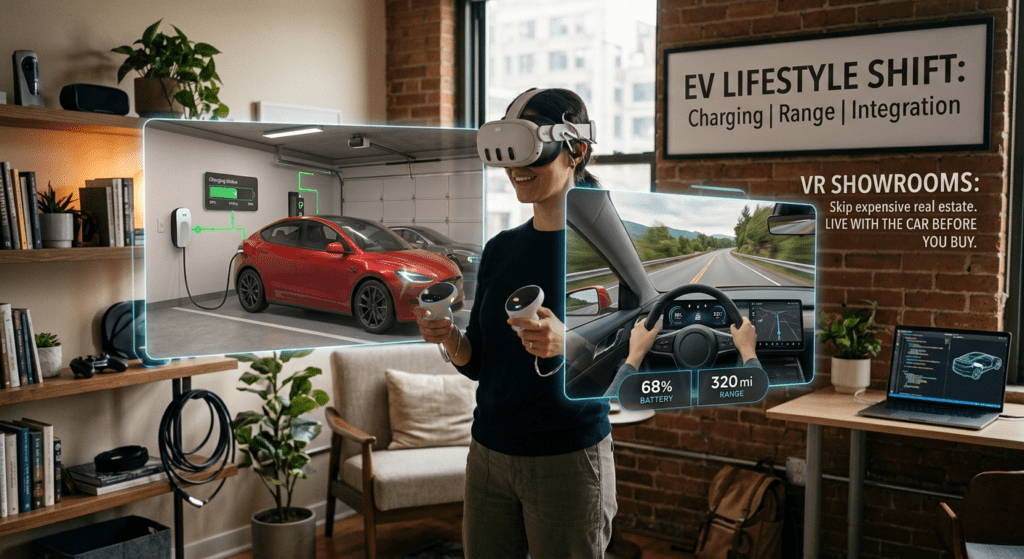
    Buying an Electric Vehicle is a lifestyle shift. It’s about charging, it’s about range, and it’s about how the car fits into your world. VR showrooms allow brands to skip the expensive real estate of a traditional dealership.

    I’ve worked with teams where we built virtual day-in-the-life experiences. The user puts on a headset and lives with the car. They see how it plugs into their home charger in a virtual garage. They drive to work and see the battery percentage barely move. We’re solving the range anxiety before they ever get behind a physical wheel.

    The Human Science: Why Our Brains Crave This

    As a human tech specialist, I’m obsessed with why this works. It’s not just about cool graphics. It’s about how our brains are wired.

    1. Experiential Learning vs. Passive Consumption

    Our brains are not designed to remember bullet points. We are designed to remember places and experiences. When you give someone a VR experience, their brain stores that memory in the same way it stores a real-life event. When they go to make a decision a week later, they aren’t recalling a pitch; they are remembering a visit.

    2. The Overview Effect

    Astronauts often talk about the Overview Effect—the cognitive shift that happens when they see Earth from space. It creates an instant, overwhelming sense of responsibility for the planet.

    In Clean Tech, we can use VR to simulate this. We can show a customer the direct impact of their investment. We can show them the future where their neighborhood is smog-free because of the technology they just bought. That emotional resonance is something a brochure can never, ever achieve.

    3. Reducing Cognitive Load

    Sustainable tech is complicated. Between tax credits, kilowatt-hours, and carbon offsets, the average buyer’s brain just shuts down. AR and VR simplify this by visualizing the data. Instead of showing a chart of energy savings, we show an AR dashboard hovering over their actual electrical panel, showing money flowing back into their pocket. We’re taking the math and turning it into a visual story.

    How to Actually Do This Without Looking Like a Gimmick

    I see a lot of companies jump into AR/VR and fail because they treat it like a toy. If you want this to drive revenue, you have to be strategic.

    Stop Building Apps

    Nobody wants to download your 400MB app to see a 3D model. The future is WebAR. You want your client to scan a QR code on a proposal or a direct mailer and have the experience pop up instantly in their mobile browser. Friction is the enemy of conversion. If it takes more than three seconds to load, you’ve lost them.

    Use Your Existing Assets

    Most of you already have CAD files or 3D models from your engineering teams. You don’t need to start from scratch. We take those workhorse files, polish them for a consumer-friendly look, and deploy them. This Build Once, Deploy Everywhere strategy is how you keep your ROI high.

    Focus on the Aha! Moment

    Every product has one specific feature that is hard to explain but easy to see. For a wind turbine, it might be the scale. For a home battery, it might be the sleek design. For a carbon-capture system, it might be the process of turning gas into solid rock. Find that one moment and build your experience around it. Don’t try to simulate the whole world—just simulate the Aha!

    The So What?

    We are currently in the middle of the biggest industrial transition since the steam engine. The companies that win won’t just be the ones with the best tech; they’ll be the ones who can communicate that tech the most effectively.

    Corporate Teleportation isn’t about being high-tech. It’s about being high-human. It’s about meeting your client where they are—full of questions, a little bit of fear, and a lot of desire for a better future—and giving them a bridge to walk across.

    If you’re still selling the future with 2D tools, you’re leaving your best stories untold. It’s time to stop talking about the future and start letting your clients live in it.

  • Beyond Likes: High-Impact Social Media for Clean Tech Brands

    Beyond Likes: High-Impact Social Media for Clean Tech Brands

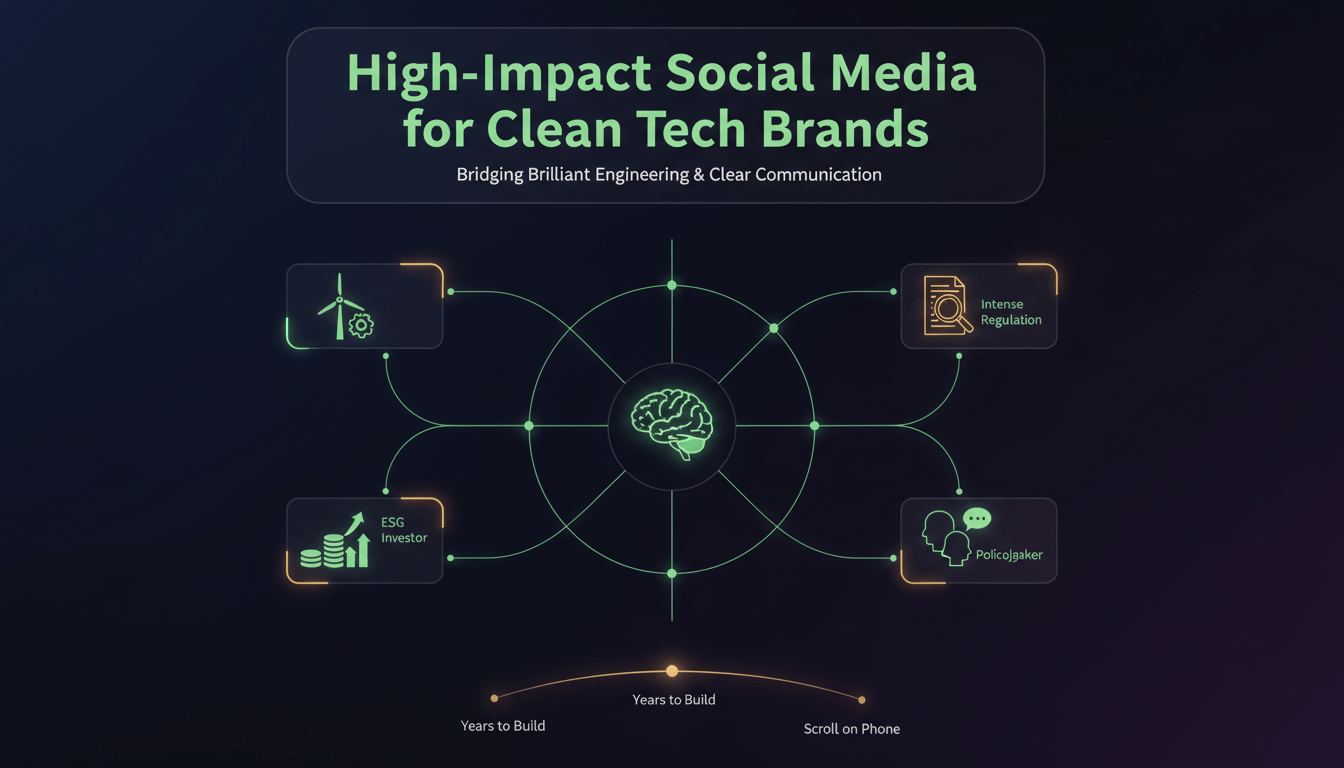
    If you’ve spent any time marketing clean tech, you already know the painful truth. This isn’t like selling a new productivity app or a trendy B2C subscription box. We are operating in a world defined by massive stakes, intense regulation, and hardware that takes years to build.

    You’re constantly trying to bridge the gap between brilliant engineering and clear communication. It’s a struggle to translate high-level technical jargon into something a person can actually scroll through on their phone. You have to be a translator as much as a marketer.

    Then there is the audience problem. You aren’t just talking to one person. You’re trying to catch the eye of an ESG investor one minute and a skeptical municipal policymaker the next. It’s a delicate balancing act that requires a high degree of precision.

    We also can’t ignore the elephant in the room: climate anxiety. People are tired of the “doom and gloom” narrative. If your content only focuses on the crisis, people will tune you out. They want to see the “how” behind the solution.

    The key to winning in this space is moving away from generic awareness. You need a closed-loop social funnel. This is a system where your social efforts feed directly into your business goals, and your data feeds back into your content strategy.

    Rethinking the Funnel for the Energy Transition

    Most people treat social media like a megaphone. They shout their news into the void and hope someone clicks a link. But in clean tech, where the sales cycle can span years, that “shout and pray” method is a recipe for failure.

    A closed-loop funnel is about building a ecosystem. Every post you put out should serve a specific purpose in a much longer journey. We aren’t just looking for a “Like.” We’re looking for technical validation and long-term trust.

    Think about the way a buyer moves through an infrastructure deal. They don’t just see a post and sign a multi-million dollar contract. They see a post, they check your LinkedIn, they download a whitepaper, and they talk to their engineers.

    Your social funnel needs to account for all of that. It’s about creating touchpoints that nurture a prospect through the research phase. You want to be the brand that helped them understand the complexity of the grid before they even talked to a salesperson.

    This approach creates a feedback loop. When you see which technical topics are getting the most traction, you know what your sales team should be talking about. You’re using social media as a real-time market research lab.

    The Reality of Choosing the Right Platforms

    I hear people say you need to be everywhere, but in this industry, that’s just a fast way to burn your budget. You have to be where the decision-makers are actually doing their research. For us, that starts and ends with LinkedIn.

    LinkedIn is the heavy lifter. It’s where the institutional investors and project developers spend their time. But you can’t just treat it like a corporate bulletin board. You have to provide actual, tangible value in the feed.

    I always recommend using LinkedIn Document posts. If you have a sustainability report or a technical case study, don’t just link to it. Upload the PDF as a carousel. Let people read the data without leaving the platform.

    The LinkedIn algorithm loves this because it keeps users engaged. But more importantly, the users love it because it’s frictionless. You’re giving them the high-fidelity data they need exactly where they already are.

    Then you have X and Instagram, which serve very different roles. Think of X as the town square. It’s where the “Climate Tech” hive mind lives. If there is a major policy shift or a global summit, that’s where the conversation happens.

    Instagram is your “show, don’t tell” platform. Clean tech is often criticized for being “vaporware.” People want to see the hardware. They want to see the solar panels, the turbines, and the labs where the magic happens.

    Use Instagram to give people a look behind the curtain. Show the “grit” of the installation process. Use Reels to humanize the scientists. It builds a level of visual proof that a glossy brochure just can’t match.

    Building Content That Actually Converts

    A great strategy dies without great content. In clean tech, your content pillars need to be rooted in two things: education and radical transparency. If you can’t explain your tech simply, people will assume it doesn’t work.

    Translating the Technical for the Human Brain

    Our products are often complex and, frankly, a bit invisible to the average person. Most people don’t think about grid frequency or carbon sequestering until something goes wrong. Your job is to make them care by making it understandable.

    I love using short-form technical explainer videos. Take a sixty-second clip and break down one specific part of your tech. Use simple animations to show the flow of energy or the way a new material behaves.

    Don’t just say your technology is “innovative.” That word has lost all meaning. Show the data. Show how it compares to the legacy systems we’ve been using for the last fifty years. Context is everything in this game.

    The Power of Radical Transparency

    We also need to talk about the “Build in Public” movement. In an industry as high-stakes as ours, being “too polished” can actually backfire. It can make you look like you’re hiding something or overpromising on your results.

    Don’t be afraid to talk about the stuff that isn’t going perfectly. If an R&D milestone got pushed back, explain why. If you’re struggling with a supply chain issue for specific minerals, talk about how you’re solving it.

    This kind of honesty is incredibly refreshing to investors and partners. It shows that you’re a real engineering firm dealing with real-world physics. It builds a level of trust that you simply cannot buy with a fancy ad campaign.

    Humanizing the Lab Coat

    Finally, you have to show the people. Clean tech is driven by some of the smartest, most passionate people on the planet. Why wouldn’t you feature them? Introduce your engineers and your site technicians to the world.

    When a potential client sees the face of the person who designed the system, the relationship changes. It’s no longer a transaction with a faceless corporation. it’s a partnership with a team of experts who care about the mission.

    The High Cost of Greenwashing

    I can’t stress this enough: one bad claim can destroy years of brand building. Greenwashing is the ultimate “funnel killer.” In the social media age, there are thousands of people waiting to fact-check your every move.

    You have to move past “marketing speak.” Terms like “eco-friendly” or “green” are too vague. They invite scrutiny without providing any real information. You need to be precise and, quite frankly, legally careful.

    Make sure you understand the nuances between terms like “carbon neutral” and “net zero.” These aren’t just synonyms; they have very specific technical and legal definitions. Using them incorrectly can lead to serious regulatory trouble.

    Every single claim you make on social media needs to be backed by a “receipt.” If you say you saved a certain amount of emissions, have the data ready. Link to the third-party certification or the internal audit that proves it.

    I always tell my clients to set up a “Scientific Review” process for social media. Before a post goes out, an engineer or a sustainability expert needs to sign off on the copy. It might slow things down, but it protects your reputation.

    In this space, your integrity is your most valuable asset. Once you lose the trust of the scientific community or the regulators, it is incredibly hard to get back. Accuracy is your best marketing strategy.

    Moving Past Vanity Metrics

    If you want to know if your funnel is working, stop looking at “Likes.” They don’t pay the bills and they don’t move the needle on climate change. You need to look at what I call “High-Intent Actions.”

    Is your technical content getting saved? On LinkedIn, “Saves” are a huge indicator of value. It means someone found your data so useful they wanted to keep it for later. That is a much stronger signal than a quick “Like.”

    You also need to be tracking attribution. Use UTM codes for every link you share. This allows you to see exactly which post led to a whitepaper download or a demo request in your GA4 dashboard.

    Then there is the concept of “Dark Social.” In the B2B world, the most important conversations happen in private. An engineer sees your post and DMs it to their boss. A policymaker emails your video to their committee.

    You can’t track every single one of those moves, but you can see the results. Keep an eye on your “Share of Voice.” Are you the brand people mention when they talk about your specific niche? That’s how you know you’re winning.

    The Big Picture: Marketing for a Better Future

    Building a closed-loop social funnel for a clean tech brand is a marathon, not a sprint. It’s about being the most helpful, most transparent, and most accurate voice in the room. It’s a specialized discipline for a specialized industry.

    By focusing on LinkedIn for authority and using visual platforms for proof, you create a balanced presence. You reach the people who sign the checks and the people who influence the public narrative.

    When you back all of that up with real data and a refusal to participate in greenwashing, you become bulletproof. You aren’t just a company with a product; you’re a leader in a global movement.

    Ultimately, social media is the most powerful tool we have for scaling the energy transition. It allows us to educate at scale and build trust at speed. When you close the loop between your content and your mission, everyone wins.

    The goal is to turn digital engagement into real-world impact. By being human, being honest, and being technical, you transform your social media into a driver of sustainable growth. That is how you build a brand that lasts.