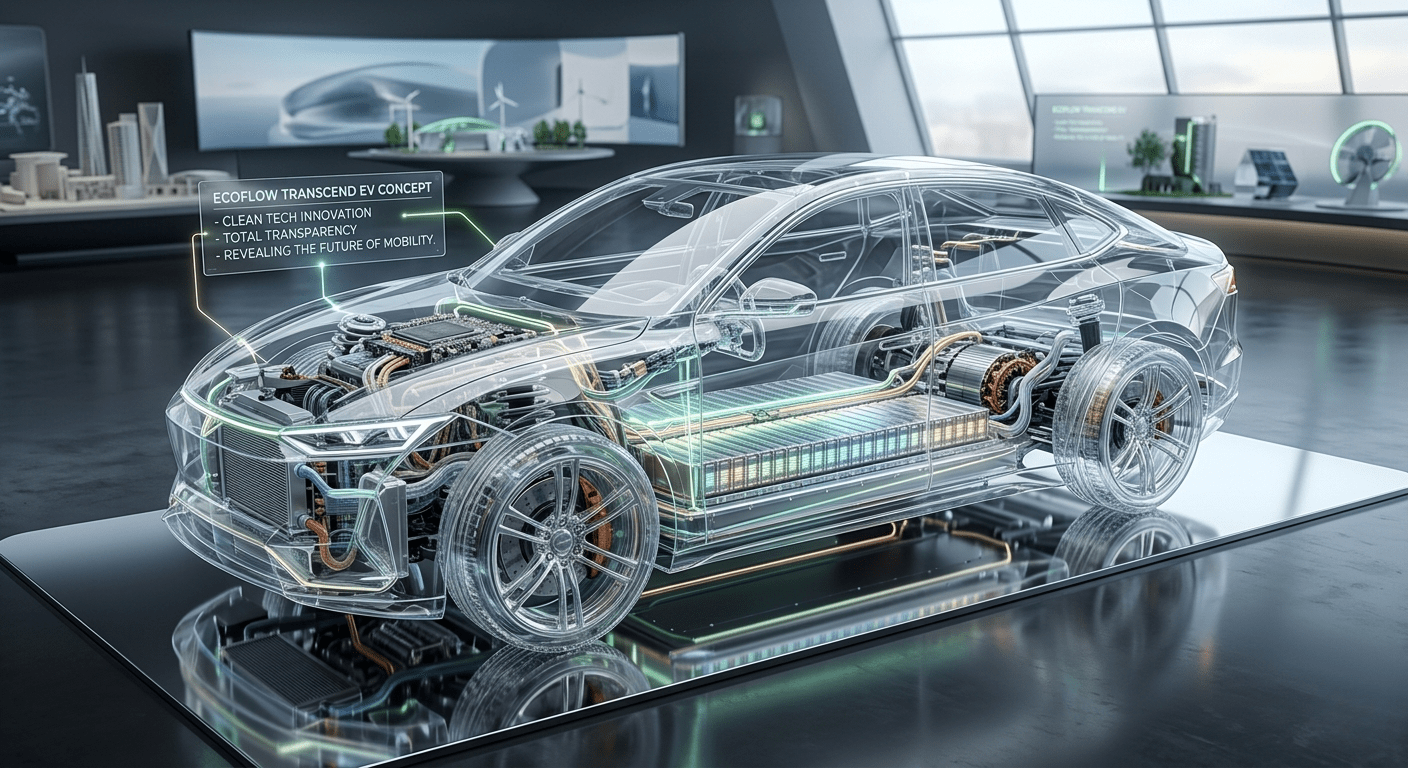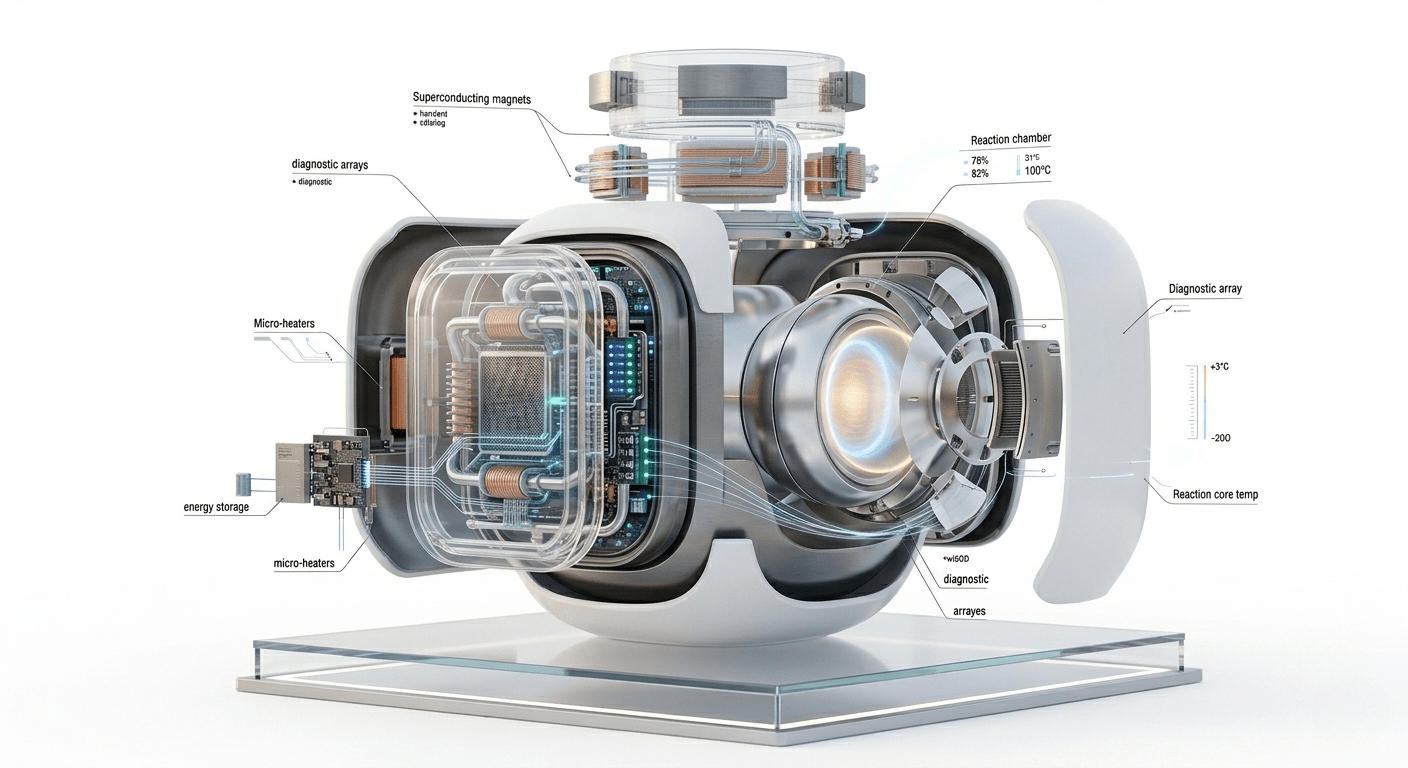
Let’s be real for a moment. If you are trying to sell a complex, high-stakes piece of clean technology today using only static photos and a couple of standard drone videos, you are basically fighting a modern war with a wooden shield.
We live in an era where the average person has the attention span of a caffeinated squirrel and the skepticism of a seasoned investigator.
Whether you are selling a modular solar system to a homeowner, a hydrogen electrolyzer to a utility company, or a massive industrial battery array to a B2B procurement committee, a nice JPEG just isn’t going to cut it anymore.
As a content strategist, I have seen thousands of companies pour millions into their clean energy products, only to fail at the finish line because they couldn’t explain the value of what they built.
They have the engineering right, but they have the communication all wrong.
Clean tech is inherently difficult to market because the most important parts are often invisible. You can’t see electrons moving, you can’t see thermal efficiency, and you can’t see the internal software that makes a smart grid smart.
This is where 3D moves from being an engineering luxury to your most powerful marketing weapon. We are talking about a total shift in how we engage the human brain.
When you let someone interact with a product, you aren’t just showing them a feature; you are giving them a sense of ownership before they even pull out a credit card.
The Power of Interactive 3D in Articles and Technical Blogs
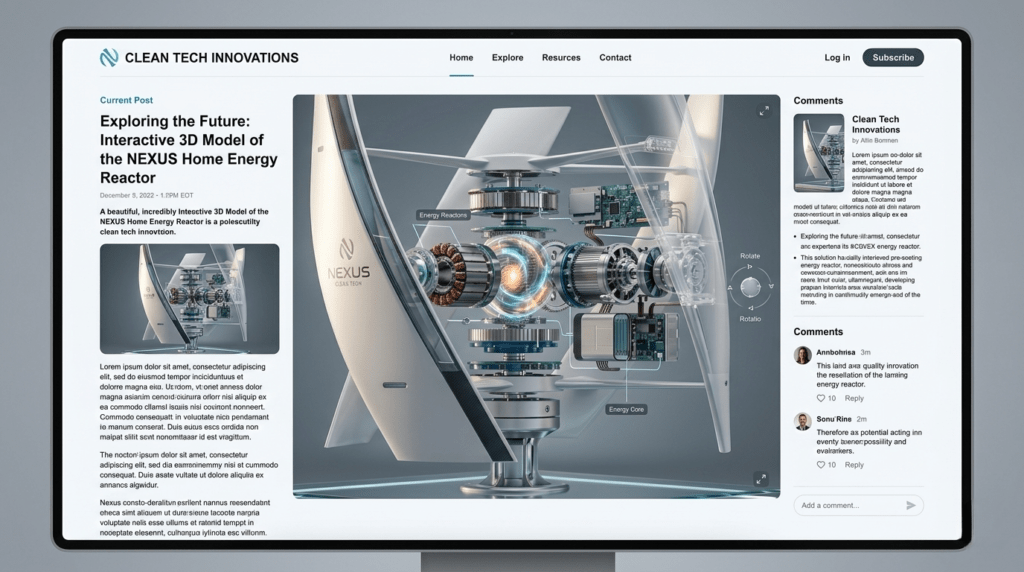
Think about the last time you read a technical blog post about a new carbon capture system or a solid-state battery. It was probably a wall of text with maybe one or two flat diagrams that you had to squint at to understand.
Most people bounce off those pages in seconds because the cognitive load is just too high. But imagine instead an article where the 3D model of the product is embedded right into the text. As the reader scrolls, the model moves. They can grab it with their mouse or thumb, rotate it three hundred and sixty degrees, and zoom into the exact cooling fin or sensor you are talking about.
This isn’t just a gimmick. From a marketing perspective, this is a massive boost for your dwell time.
When a user spends three minutes playing with an interactive model on your site instead of thirty seconds skimming a paragraph, search engines notice.
Your SEO rankings climb because your page is objectively more engaging than your competitor’s static site. More importantly, the reader actually understands your product.
If you are explaining a proprietary cooling system in a residential battery, letting the user peel back the outer casing virtually to see the liquid channels is worth more than ten thousand words of copy.
You are moving them from confusion to clarity, and in clean tech, clarity is the shortest path to a sale. You are essentially turning your blog into a virtual lab where the customer is the lead researcher.
Breaking the Physics of Video Production with 3D Storytelling
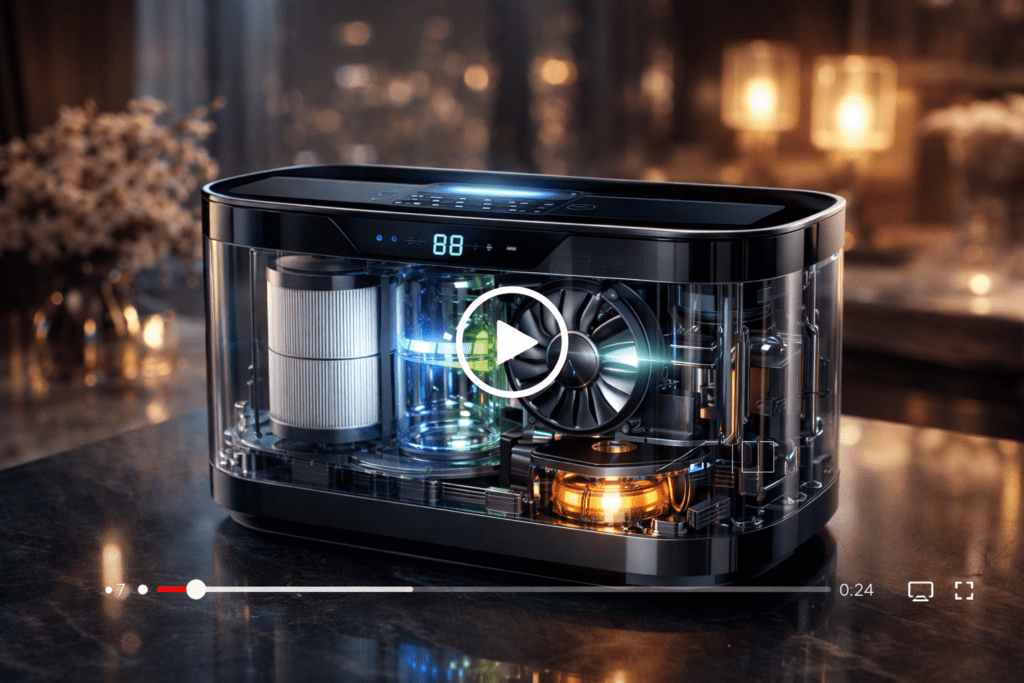
Traditional video production for clean tech is a logistical and financial nightmare. You have to ship heavy equipment like EV chargers or heat pumps to a studio, hire a camera crew, hope the lighting is perfect, and then spend weeks in post-production.
If you decide you want to change the color of the product or show a different internal component two months later, you have to start the whole expensive process over again. And let’s not even talk about the carbon footprint of flying crews across the country to film a wind farm.
3D video changes the entire math of content marketing. Once you have a high-fidelity 3D asset, you own a digital movie set that never closes.
You can fly a virtual camera through the center of a wind turbine to show the gearbox in action. You can show the product working in a blizzard, then instantly switch to a desert environment to prove it handles extreme heat.
You can create exploded views where the product disassembles itself in mid-air to show the premium, sustainably sourced materials inside.
This level of storytelling is impossible with a physical camera. For marketing, this means you can produce ten times the content for a fraction of the long-term cost.
You can have a library of videos for every social platform, each tailored to a specific audience, all born from the same digital asset. You are no longer limited by what a camera can see; you are only limited by what your product can do.
Augmented Reality: Bringing the Clean Energy Showroom to the Living Room
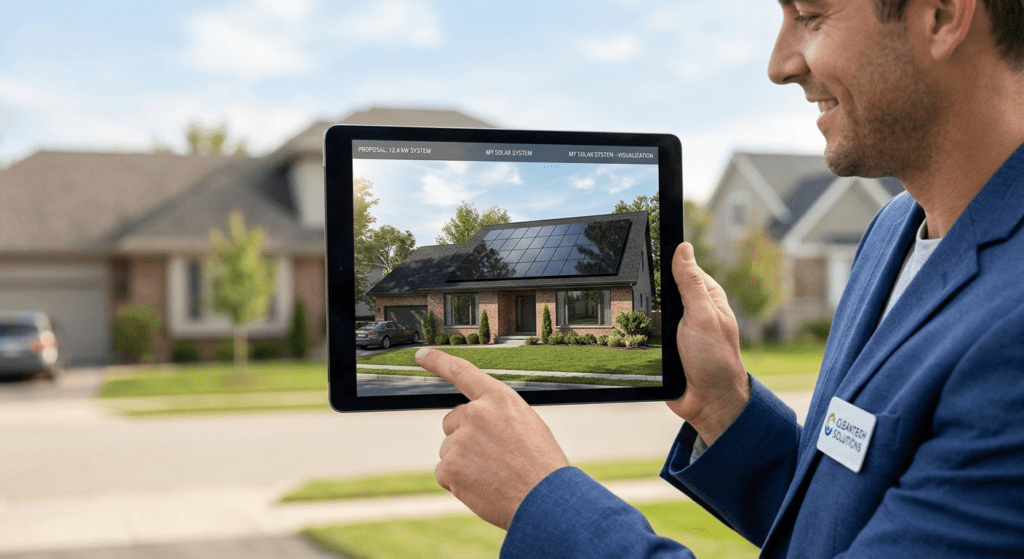
For homeowners and residential customers, the biggest barrier to a clean tech purchase is usually a simple question of spatial anxiety:
Will this fit in my garage?
Will this look ugly on my roof? This is where Augmented Reality, or AR, becomes your best salesperson.
Imagine a homeowner considering a new home energy management system. Instead of looking at dimensions on a PDF and trying to find a tape measure, they simply open your website on their phone. With one click, their camera turns on, and they see your product sitting right there on their wall in real-time.
They can walk around it. They can see if it clears the ceiling height. They can see if the design aesthetic matches their home.
This removes the friction of uncertainty. It’s the digital version of a test drive. In the commercial world, this is just as powerful.
A facility manager can use AR to see how a new series of EV charging stations will fit onto their existing parking lot. By letting the customer interact with the product in their own physical environment, you aren’t just selling a piece of hardware; you are helping them visualize a future where they already own it.
You have moved the product from your factory to their doorstep in a matter of seconds.
High Conversion Ads and the Thumb-Stop Effect in Social Media
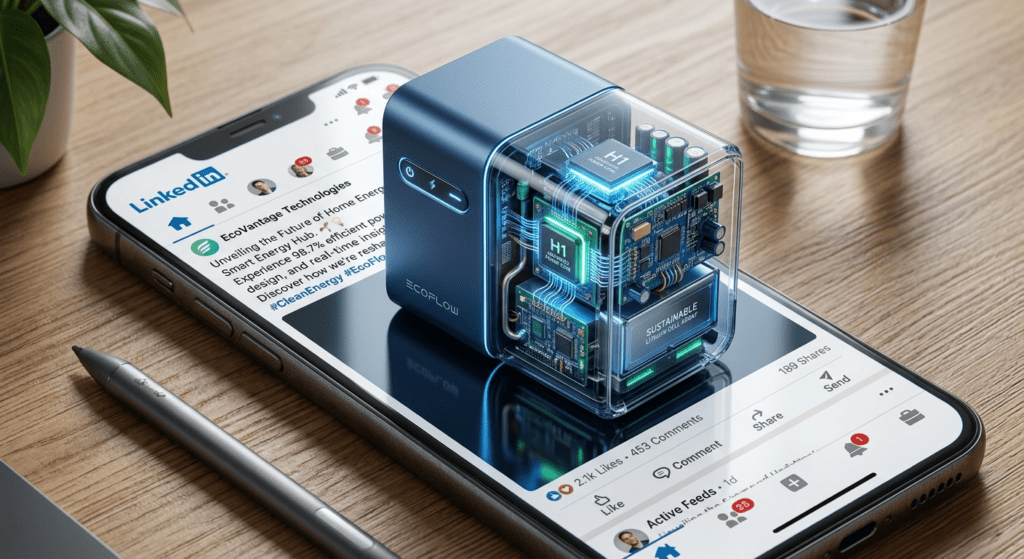
We are all drowning in a sea of boring, repetitive ads. If you are running a campaign on LinkedIn for a B2B audience or Instagram for homeowners, you have about half a second to stop someone from scrolling past you.
A static photo of a gray metal box—which is what many clean tech products look like—is almost invisible in a modern feed. But a 3D animation that pops off the screen, showing a product expanding, rotating, or operating in an impossible environment, looks like an experience.
3D assets allow you to create ads that are visually dense and incredibly premium. You can highlight the texture of the recycled plastics, the glow of the status lights, and the precision of the assembly.
This level of detail builds instant brand authority. It tells the viewer that if you cared this much about the presentation, the engineering must be equally flawless.
We see significantly higher click-through rates on 3D animated ads because they satisfy the human curiosity to see how things work.
You aren’t just shouting at them to buy; you are inviting them to look closer. In the crowded clean energy space, looking more professional and more technologically advanced than the guy next to you is half the battle.
Winning the High-Stakes Pitch with B2B Clients and Investors
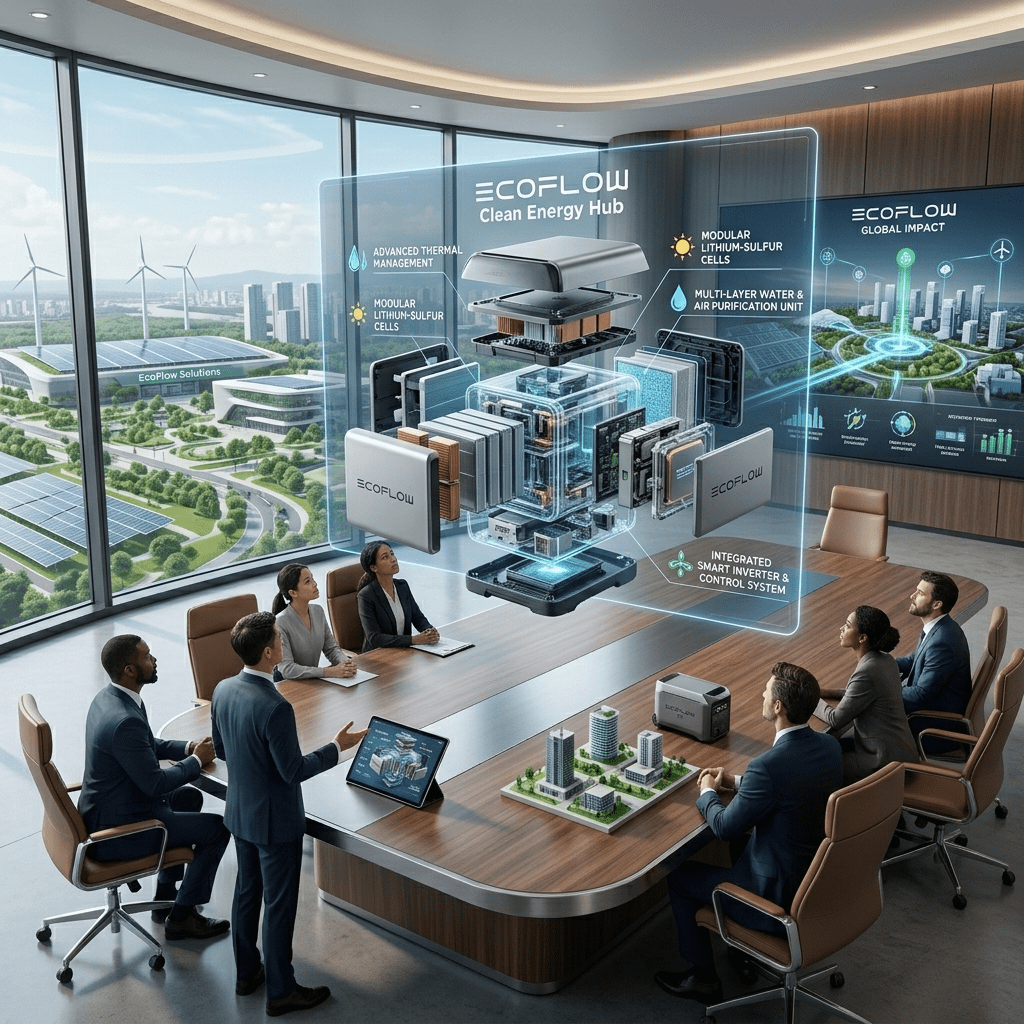
When you are sitting in a boardroom with a group of venture capitalists or a corporate procurement team, you are often selling something that is too large to bring into the room or a project that is still six months from completion.
If you show up with a PowerPoint, you are just another person with a dream. If you show up with a tablet that lets them explore a 3D twin of the product, you are a person with a plan.
For clean tech B2B marketing, 3D is the ultimate tool for de-risking the conversation. You can show the technical buyers the internal specifications and the exploded views that prove your design is superior to the legacy technology they are currently using.
At the same time, you can show the financial stakeholders the sleek, finished exterior and the ease of use. You can toggle between different configurations on the fly.
If an investor asks if the system is modular, you don’t say yes and hope they believe you. You click a button in the 3D interface and show them exactly how those modules snap into place.
It turns a one-sided pitch into a collaborative exploration. It makes the investment feel tangible long before the physical assets are even shipped.
The Economics of the Unified Asset Strategy
One of the biggest misconceptions in the clean tech industry is that high-end 3D marketing is too expensive for anyone but the massive global players. The reality is that it is actually a massive cost-saving measure if you approach it strategically.
I call this the Unified Asset Strategy. In the old way of doing things, your engineering team had their files, your marketing team hired a photographer, your social media team hired a videographer, and your sales team had nothing but a printed brochure.
Everyone was spending money to create the same thing from scratch, often with inconsistent results.
When you invest in a high-quality 3D marketing model, that one asset fuels every single department for the entire lifecycle of the product.
That single model becomes the source for your website interactives, your YouTube explainers, your AR experiences, your trade show booth displays, and your investor decks.
You can update the model as the product evolves without needing a new photoshoot. You can change the lighting for a winter campaign and a summer campaign in minutes.
You are building a digital library of content that grows in value over time. For a growing clean tech startup, this efficiency is the difference between scaling quickly and getting bogged down in marketing overhead.
Conclusion: Don’t Just Show, Let Them Experience the Future
The clean tech market is getting more crowded every day, and the companies that win are going to be the ones that can communicate complexity with the most simplicity.
You cannot expect a modern buyer—whether they are a homeowner or a CEO—to do the heavy lifting of imagining how your product works or how it will look in their life. You have to do that work for them.
3D marketing is about more than just looking cool or having the latest tech. It is about empathy for the customer. It is about understanding that they are busy, they are skeptical, and they want to be sure before they commit to a major transition like switching to clean energy.
By giving them the tools to explore, interact, and visualize, you are building a bridge of trust that static marketing simply cannot replicate.
Whether it is through an interactive blog post that keeps them on the page, an AR tool that puts a solar battery in their garage, or a cinematic video that explains your engineering genius, 3D is the language of modern commerce.
It is time to stop treating your marketing like a flat piece of paper and start treating it like the multi-dimensional experience it should be.
The future of clean tech isn’t just about what you build; it’s about how you let the world see it. Stop showing your product and start letting your customers experience it.
Your engagement numbers, your sales team, and your bottom line will show you exactly why this was the best move you ever made for your brand.