Let’s be honest for a second. If you’re in the business of Clean Tech—or what we’re starting to call ClientTech—you aren’t just selling a product. You’re selling a promise.
You’re asking a B2B committee to bet 50 million dollars on a carbon-capture plant, or you’re asking a homeowner to spend their life savings on a home energy ecosystem they can’t fully visualize.
The problem? Humans are terrible at conceptualizing things they can’t touch, see, or walk through.
I’ve spent years watching brilliant engineers and visionary founders try to close these massive deals using 2D tools. They bring a knife to a gunfight. They use pitch decks, PDFs, and flat videos to describe 3D, life-changing innovations. It’s like trying to describe the Grand Canyon to someone who has never seen a rock.
This is where the Intangibility Gap lives. It’s that awkward space where a prospect says, I get it, but I don’t feel it. And in high-ticket sales, if they don’t feel it, they don’t sign.
That’s why I want to talk about Corporate Teleportation. This isn’t just some marketing buzzword I’m throwing around. It’s the strategic use of Augmented and Virtual Reality to solve a fundamentally human problem: the fear of the unknown.
The B2B Boardroom: Beyond the Boring Pitch
In the B2B world, the stakes aren’t just high; they’re career-defining. If a VP of Operations signs off on a new hydrogen fuel cell infrastructure and it fails, it’s their head on the block. That fear creates friction. Friction kills sales velocity.
Usually, to combat this, we fly people out to reference sites. We spend 20,000 dollars on business class seats and hotels to show them a wind farm in the North Sea or a microgrid in Singapore. It’s slow, it’s expensive, and it’s ironically carbon-heavy for a green company.
The Power of Instant Presence
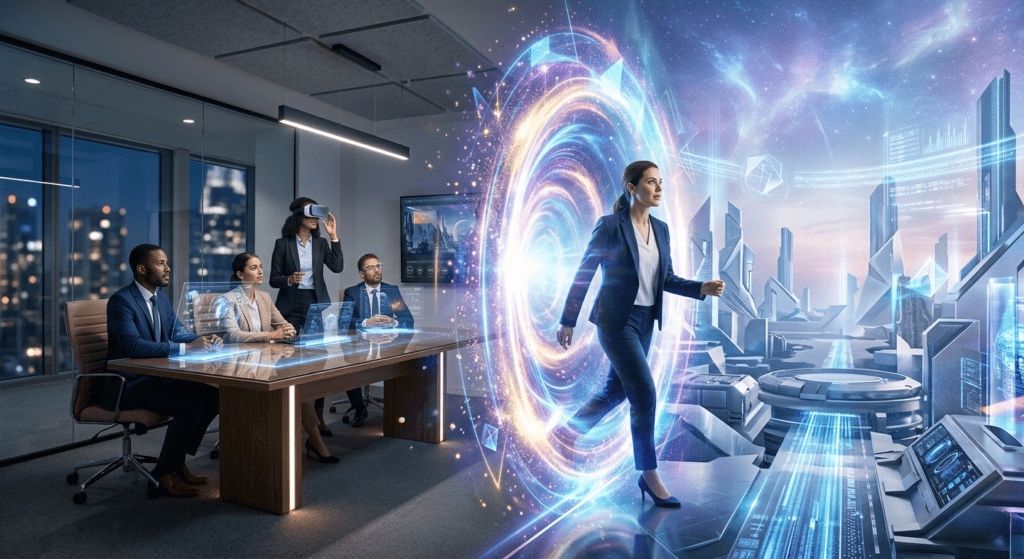
Imagine instead that you walk into that boardroom, and you don’t open a laptop. You hand out three headsets. Suddenly, the entire committee is standing on the nacelle of a wind turbine, 300 feet above the ocean. They can hear the wind—spatial audio is a secret weapon here—they can see the scale of the blades, and they can look down at the foundation.
In that moment, the risk shifts. It becomes an asset. They aren’t looking at a spreadsheet anymore; they are experiencing a digital twin. When I talk to clients about this, I tell them: You aren’t giving a presentation; you’re giving a tour of the future.
Breaking the Black Box
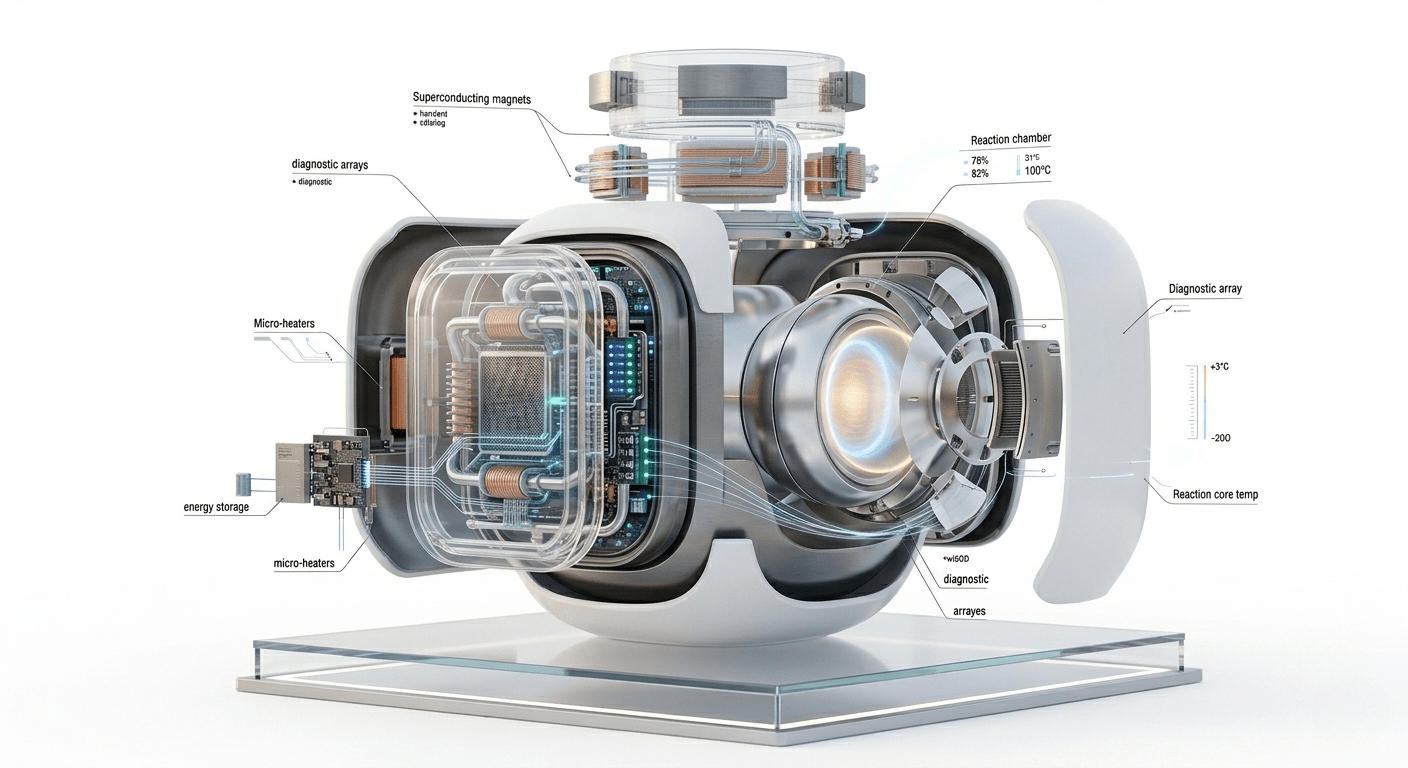
Clean tech is often full of black boxes—complex engineering that happens where the human eye can’t see. Whether it is the chemical reaction inside a new battery or the way heat moves through a geothermal loop, if the client does not understand it, they will not trust it.
Virtual reality allows us to shrink the client. We can take them inside the machine. We can show the flow of electrons. We can show exactly how the cooling system prevents a meltdown. This transparency is the ultimate trust-builder.
You’re not saying trust me, the engineering works. You’re saying here, come inside and see for yourself.
The B2C Living Room: Making the Green Choice the Easy Choice
Now, let’s pivot to the consumer side. The B2C clean tech market is a different beast entirely. Here, the enemy isn’t a committee; it’s a mixture of aesthetic anxiety and sticker shock.
The Will It Look Ugly on My House? Hurdle
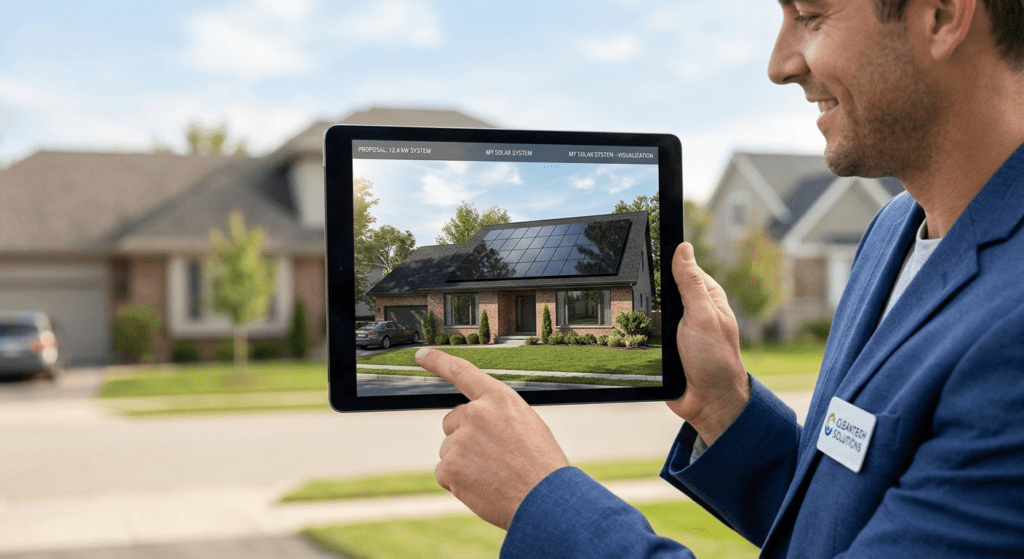
I’ve seen so many residential solar or heat pump deals die because the homeowner couldn’t visualize the final result. They worry a solar array will ruin their curb appeal or a battery backup will take up too much garage space.
Augmented Reality is the closer here. When a sales rep can pull out an iPad and overlay a 1:1 scale, 3D model of the solar panels directly onto the customer’s roof—in real-time, with accurate shadows and reflections—the conversation changes.
This triggers what we call the Endowment Effect. Once that homeowner sees the panels on their house through the screen, their brain starts to claim ownership. It’s no longer a product for sale; it’s my solar system. You’ve removed the visual friction, and suddenly, the price tag feels a lot more manageable.
The EV Experience Beyond the Test Drive
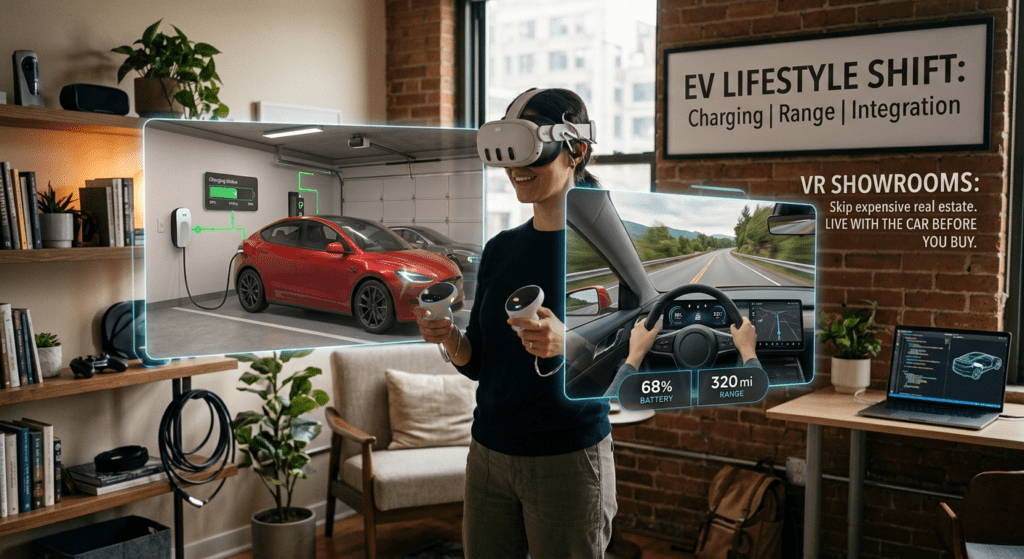
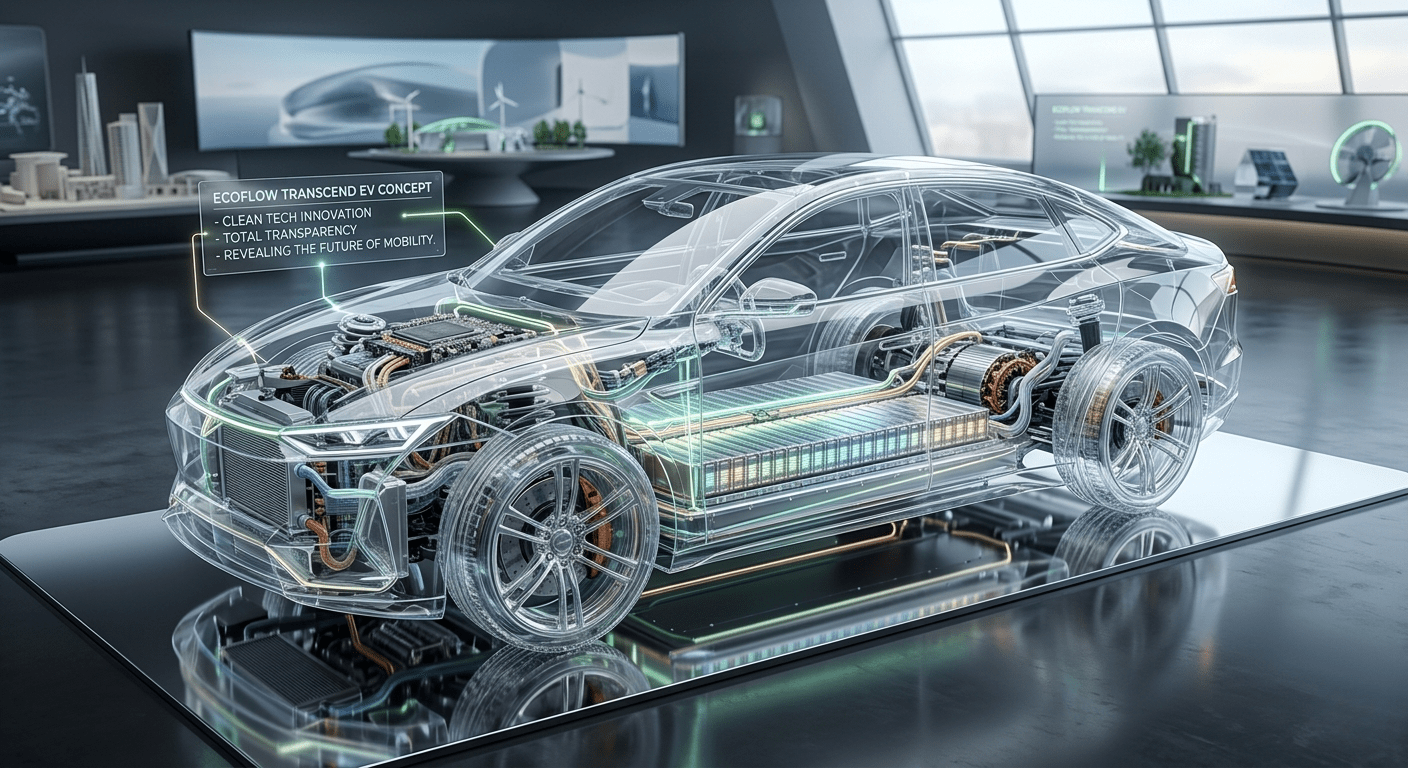
Buying an Electric Vehicle is a lifestyle shift. It’s about charging, it’s about range, and it’s about how the car fits into your world. VR showrooms allow brands to skip the expensive real estate of a traditional dealership.
I’ve worked with teams where we built virtual day-in-the-life experiences. The user puts on a headset and lives with the car. They see how it plugs into their home charger in a virtual garage. They drive to work and see the battery percentage barely move. We’re solving the range anxiety before they ever get behind a physical wheel.
The Human Science: Why Our Brains Crave This
As a human tech specialist, I’m obsessed with why this works. It’s not just about cool graphics. It’s about how our brains are wired.
1. Experiential Learning vs. Passive Consumption
Our brains are not designed to remember bullet points. We are designed to remember places and experiences. When you give someone a VR experience, their brain stores that memory in the same way it stores a real-life event. When they go to make a decision a week later, they aren’t recalling a pitch; they are remembering a visit.
2. The Overview Effect
Astronauts often talk about the Overview Effect—the cognitive shift that happens when they see Earth from space. It creates an instant, overwhelming sense of responsibility for the planet.
In Clean Tech, we can use VR to simulate this. We can show a customer the direct impact of their investment. We can show them the future where their neighborhood is smog-free because of the technology they just bought. That emotional resonance is something a brochure can never, ever achieve.
3. Reducing Cognitive Load
Sustainable tech is complicated. Between tax credits, kilowatt-hours, and carbon offsets, the average buyer’s brain just shuts down. AR and VR simplify this by visualizing the data. Instead of showing a chart of energy savings, we show an AR dashboard hovering over their actual electrical panel, showing money flowing back into their pocket. We’re taking the math and turning it into a visual story.
How to Actually Do This Without Looking Like a Gimmick
I see a lot of companies jump into AR/VR and fail because they treat it like a toy. If you want this to drive revenue, you have to be strategic.
Stop Building Apps
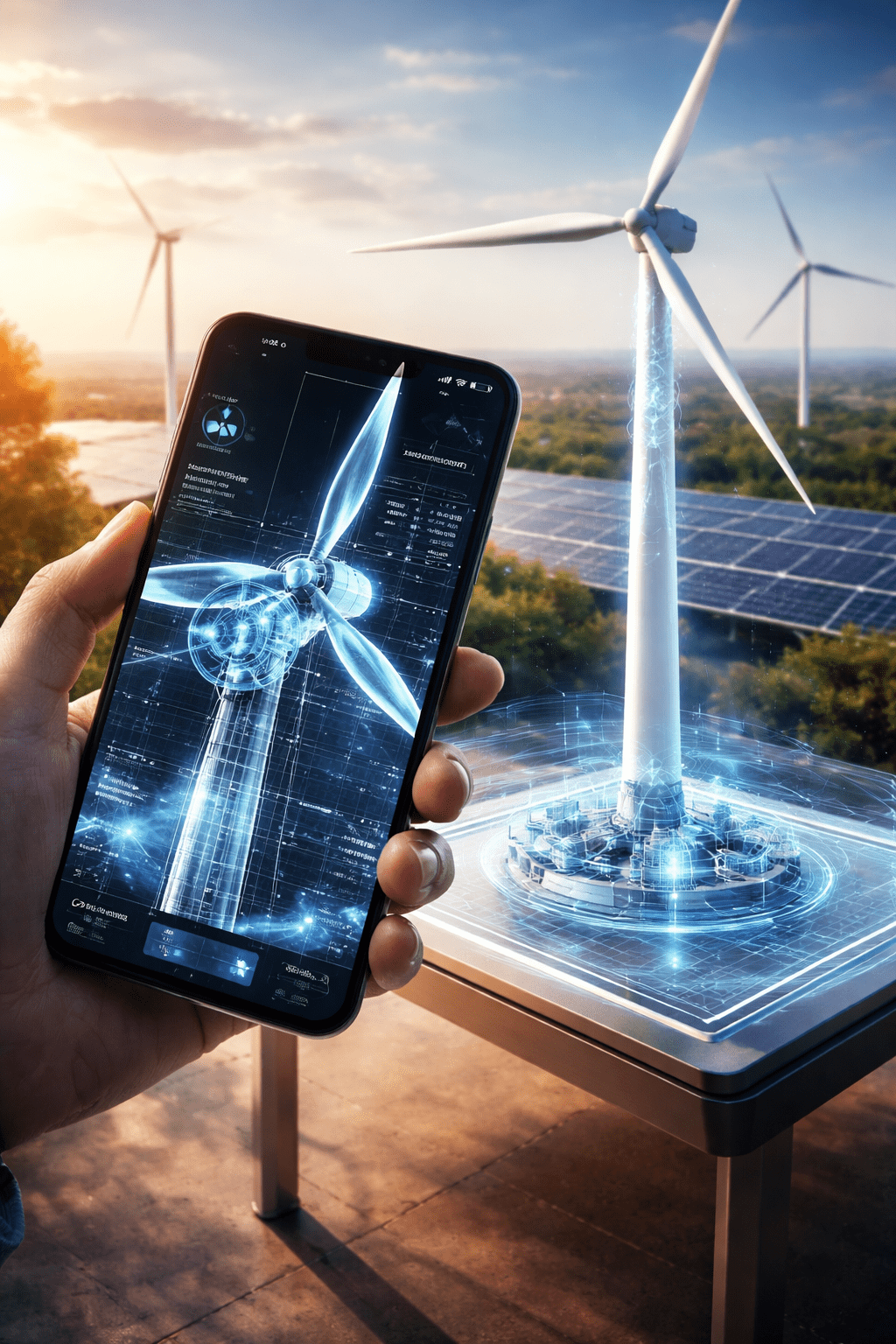
Nobody wants to download your 400MB app to see a 3D model. The future is WebAR. You want your client to scan a QR code on a proposal or a direct mailer and have the experience pop up instantly in their mobile browser. Friction is the enemy of conversion. If it takes more than three seconds to load, you’ve lost them.
Use Your Existing Assets
Most of you already have CAD files or 3D models from your engineering teams. You don’t need to start from scratch. We take those workhorse files, polish them for a consumer-friendly look, and deploy them. This Build Once, Deploy Everywhere strategy is how you keep your ROI high.
Focus on the Aha! Moment
Every product has one specific feature that is hard to explain but easy to see. For a wind turbine, it might be the scale. For a home battery, it might be the sleek design. For a carbon-capture system, it might be the process of turning gas into solid rock. Find that one moment and build your experience around it. Don’t try to simulate the whole world—just simulate the Aha!
The So What?
We are currently in the middle of the biggest industrial transition since the steam engine. The companies that win won’t just be the ones with the best tech; they’ll be the ones who can communicate that tech the most effectively.
Corporate Teleportation isn’t about being high-tech. It’s about being high-human. It’s about meeting your client where they are—full of questions, a little bit of fear, and a lot of desire for a better future—and giving them a bridge to walk across.
If you’re still selling the future with 2D tools, you’re leaving your best stories untold. It’s time to stop talking about the future and start letting your clients live in it.